4kW Solar Panel Installation Cost UK Guide
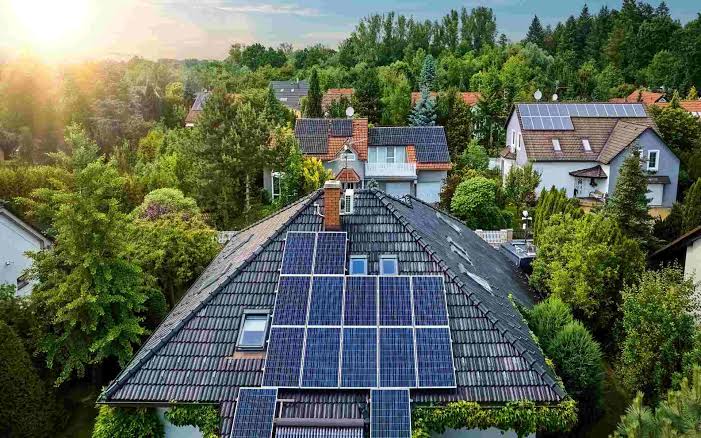
A 4-kilowatt (4kW) solar photovoltaic (PV) array represents one of the most common residential renewable energy installations across the United Kingdom. Engineered primarily for standard three- to four-bedroom homes, a 4kW system balances available roof space with the daily electrical consumption of an average British household. By converting sunlight directly into usable alternating current (AC) electricity, these systems allow homeowners to lower grid utility dependence, reduce household carbon emissions, and manage long-term energy inflation.
Evaluating a 4kW solar panel installation cost UK proposal requires looking beyond the basic price tag of the solar modules. A complete installation incorporates equipment selection, roof structural suitability, scaffolding access, inverter technology, grid connection compliance, and optional battery storage integration. This comprehensive guide breaks down baseline installation costs, technical system variations, practical application scenarios, regulatory requirements, and long-term asset management strategies for UK properties.
Overview of 4kW Solar Panel Installation Cost UK

Understanding a 4kW solar panel installation cost UK estimate requires analyzing the complete balance of system (BOS) rather than viewing photovoltaic modules in isolation. A standard 4kW array typically consists of 10 to 12 solar panels (rated between 380 watts and 420 watts each), requiring roughly 18 to 24 square meters of unshaded roof space. Across the UK, a 4kW solar system generates approximately 3,200 to 3,800 kilowatt-hours (kWh) of electricity annually, depending on geographic latitude, roof pitch, and seasonal weather patterns.
Average System Cost Distribution (Standard 4kW System in the UK)
├── Photovoltaic Modules (30–40%): £1,800 – £2,800
├── Inverter & Electrical Balance of System (20–25%): £1,200 – £1,800
├── Scaffolding & Roof Access (10–15%): £600 – £1,200
└── Certified Installation Labor & Testing (20–25%): £1,200 – £1,800
Across England, Scotland, and Wales, the turnkey installed cost for a standard, roof-mounted 4kW solar PV system without battery storage generally ranges from £5,500 to £8,000. When combined with an integrated 5kWh to 10kWh lithium-ion battery storage system, overall capital outlays increase to between £8,500 and £13,500. The UK government’s 0% Value Added Tax (VAT) rate on residential energy-saving materials applies to solar panels and battery storage installations, reducing total out-of-pocket costs compared to historical tax rates.
Primary variables influencing final project pricing include regional labor rates (London and South East England typically carry higher trade rates), roof access complexity, roof tile material (e.g., slate tiles require specialized flashing hardware), and whether the system utilizes a basic central string inverter or advanced module-level power electronics.
Primary System Types and Architectural Approaches
Selecting a 4kW solar array requires matching equipment hardware, inverter topologies, and mounting structures to property geometry and energy consumption profiles.
| Category / Type | Description | Common Use Case | Time / Cost / Effort Level |
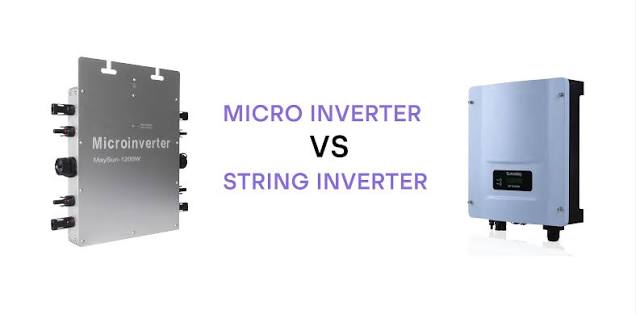
| On-Grid String Inverter Array | 10–12 panels wired in series connected to a single central string inverter. | Unshaded, south-facing pitched roofs with uniform pitch. | Lowest Cost (£5,500–£7,500) / 1–2 days install / Low effort. |
| On-Grid Microinverter Array | Panels paired with individual microinverters behind each module; eliminates single-point shading loss. | Complex multi-pitch roofs or roofs experiencing partial tree/chimney shading. | Moderate-High Cost (£6,500–£8,500) / 1–2 days install / Moderate effort. |
| Hybrid Solar + Battery System | 4kW PV array coupled with a hybrid inverter and 5kWh–10kWh battery storage unit. | Households with high evening electricity usage or time-of-use tariffs. | High Cost (£8,500–£13,500) / 2 days install / High commissioning effort. |
| In-Roof (Integrated) System | Solar panels installed flush with the roofline, replacing standard roof tiles. | New builds, major roof replacements, or strict conservation planning areas. | Higher Cost (£7,000–£9,500) / 2–3 days install / High civil trade effort. |
| Ground-Mounted 4kW Array | Panels mounted on free-standing A-frame steel or aluminum ground racking. | Properties with unshaded garden/paddock space but unsuitable or shaded roofs. | High Cost (£7,500–£10,500) / 2–4 days install / High trenching & base effort. |
Choosing Between System Types
Deciding among these configurations depends on property aesthetics, shading levels, and daily occupancy patterns. Unshaded south-facing roofs achieve maximum return on investment using standard string inverter packages. Conversely, if a roof faces east/west, suffers from chimney shadows, or if the household consumes most electricity during evening hours, upgrading to microinverters or adding DC-coupled battery storage delivers greater self-consumption value despite higher initial capital outlays.
Practical Installation Scenarios and Field Applications
Scenario 1: Standard 3-Bedroom Semi-Detached Retrofit (Midlands)
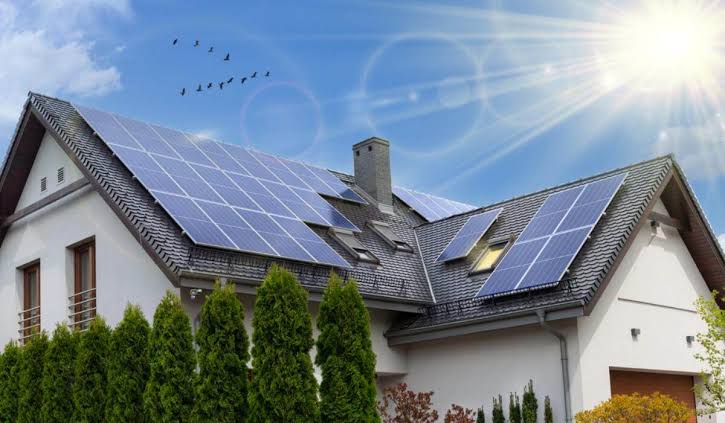
A family in a semi-detached brick home installs a 4kW retrofitted solar system on an unshaded 30-degree south-facing concrete tile roof.
-
Implementation Steps & Components:
-
Erecting independent tube-and-fitting scaffolding along the rear elevation.
-
Fixing roof hooks directly to structural timber rafters beneath concrete tiles.
-
Installing 10 x 400W monocrystalline panels connected in a single series string.
-
Mounting a 3.68kW string inverter in a ventilated loft space alongside an AC/DC isolator switch.
-
Submitting a formal Microgeneration Certification Scheme (MCS) notification and registering for a Smart Export Guarantee (SEG) tariff.
-
-
Why This Scenario Matters: Represents the classic UK residential installation. Unshaded roof orientation allows efficient string inverter operation, keeping total turnkey expenses between £5,500 and £7,000.
Scenario 2: High Evening Demand Home with Battery Storage (South East England)
A household with working professionals where occupants are away during daytime hours installs a 4kW solar array coupled with a 5kWh battery storage system.
-
Implementation Steps & Components:
-
Installing 10 x 400W panels across an east-west split roof (5 panels east, 5 panels west).
-
Mounting a 3.68kW hybrid inverter and a 5kWh lithium iron phosphate ($\text{LiFePO}_4$) battery unit inside a utility cupboard.
-
Programming the system to store excess daytime generation and discharge during peak evening tariff windows.
-
Installing a smart generation meter and automated fire safety disconnect switches.
-
-
Why This Scenario Matters: East-west panel alignment smooths generation across morning and late afternoon hours, while battery storage captures midday surplus energy. Total installed cost ranges from £9,000 to £12,000.
Scenario 3: Roof-Integrated Installation during Major Reroofing (Scotland)
A property owner executing a full slate roof replacement incorporates a 4kW in-roof integrated solar system.
-
Implementation Steps & Components:
-
Removing existing slate tiles down to timber battens and applying breathable roofing felt.
-
Securing weatherproof plastic tray mounting frames directly to roof battens.
-
Slotting 11 x 365W flush-mounted solar panels into the tray framework, flashing edges seamlessly against surrounding slates.
-
Running heavy-duty DC cabling down to an internal utility space housing the central inverter.
-
-
Why This Scenario Matters: Integrating solar panels during reroofing saves on displacement slate materials and avoids placing surface-mounted roof hooks over delicate slate, reducing overall labor overhead. Total cost ranges from £7,500 to £9,500.
Comparative Scenario Analysis
Scenario 1 balances low material overhead with fast installation timelines for standard homes. Scenario 2 trades higher upfront equipment costs for elevated self-consumption efficiency in homes with evening-dominated load profiles. Scenario 3 demonstrates how combining solar work with broader building renovations lowers total building maintenance costs compared to retrofitting surface mounts later.
Planning, Capital Budgeting, and Resource Allocation
Evaluating a 4kW solar panel installation cost UK proposal requires an itemized financial analysis covering equipment, structural access, and installer compliance. The budget breakdown below outlines standard costs for a typical 4kW residential installation.
| Category | Estimated Cost Range (GBP £) | Line-Item Explanation & Cost Drivers | Optimization & Cost-Control Tips |
| PV Modules (10–12 Panels) | £1,800 – £2,800 | Tier-1 monocrystalline panels (380W–420W output ratings). | Standardize on high-efficiency black-frame panels for higher aesthetic appeal. |
| Inverter & DC/AC BOS | £1,200 – £1,800 | String or hybrid inverter, generation meters, DC/AC isolators, and cabling. | Size inverter continuous AC rating to 3.68kW to stay within standard G98 notification rules. |
| Scaffolding & Access | £600 – £1,200 | Independent double-lift scaffolding for safe roof height access. | Combine solar work with guttering or chimney maintenance while scaffolding is erected. |
| Installation Trade Labor | £1,200 – £1,800 | MCS-certified electrical and roofing trade labor. | Request itemized quotes separating scaffolding from electrical commissioning fees. |
| Optional Battery (5kWh) | £3,000 – £4,500 | Lithium storage battery, battery management system, and fire safety isolation. | Add battery storage during initial solar installation to maximize 0% VAT savings. |
| Gross Installed Outlay | £5,500 – £8,000 | Turnkey installed system cost without battery storage included. | Obtain at least 3 detailed quotes from MCS-accredited installers. |
Note: All monetary figures listed represent standard United Kingdom baseline market estimates in GBP (£) including 0% VAT. Final project costs vary based on regional labor rates, structural tile materials, and site accessibility.
Strategies, Tools, and Support Options
Navigating a residential solar deployment in the UK involves engaging specific regulatory frameworks, export tariffs, and analytical modeling tools.
-
Microgeneration Certification Scheme (MCS): The quality assurance organization that accredits renewable energy products and installers across the UK.
-
Advantages: Ensures compliance with technical safety standards; mandatory requirement for claiming Smart Export Guarantee (SEG) tariffs.
-
Disadvantages: Certified installers may charge higher trade rates than unaccredited general electricians.
-
-
Smart Export Guarantee (SEG) Tariffs: A government-mandated mechanism requiring licensed energy suppliers to pay households for surplus solar electricity exported back to the grid.
-
Advantages: Provides a secondary annual revenue stream (£100 to £250+ per year) for unused solar energy.
-
Disadvantages: Export rates vary significantly between energy suppliers (ranging from 3p to 15p+ per kWh), requiring periodic tariff comparisons.
-
-
Distribution Network Operator (DNO) G98 Notification: The standard regulatory process for grid-connected generators up to 3.68kW AC output per phase.
-
Advantages: Allows installer to connect the system first and notify the regional DNO within 28 days, avoiding pre-approval delays.
-
Disadvantages: Systems exceeding 3.68kW AC output require formal G99 prior-approval applications before installation can begin.
-
-
Photovoltaic Geographic Information System (PVGIS): An open-access satellite database used to calculate expected monthly and annual kWh yield based on UK postcodes, tilt, and azimuth.
-
Advantages: Provides unbiased, independent generation estimates to verify installer sales claims.
-
Disadvantages: Does not automatically factor in micro-shading from local trees or chimneys.
-
Safety Hazards, Technical Risks, and Common Pitfalls
Solar PV installations operate at high DC voltages (up to 600V DC) and involve roof structural loads. Managing risk requires recognizing several technical failure points.
-
Bypassing MCS Certification: Engaging unaccredited contractors to lower initial installation costs renders the system ineligible for Smart Export Guarantee (SEG) tariffs and can complicate future home sales. Prevention: Verify installer MCS accreditation numbers on the official MCS register prior to paying deposits.
-
Roof Structural Overloading and Wind Uplift: Fixing solar racking to sub-standard roof battens or failing to evaluate structural rafter integrity can cause roof sagging or panel detachment during winter gales. Prevention: Mandate that installers conduct structural timber checks and use rafter-mounted roof hooks.
-
Inadequate Flashing and Water Ingress: Prying up roof tiles to attach racking hooks without proper weatherboarding or flashing allows rainwater to rot internal roof timbers. Prevention: Ensure installers utilize specialized tile-replacement flashing kits or rubber EPDM weather seals.
-
DC Isolator Water Ingress: Incorrectly sealed roof-mounted or loft-mounted DC isolator switches exposed to damp conditions can experience internal electrical arcing, posing a fire risk. Prevention: Ensure isolators carry appropriate IP ratings (minimum IP65) and are mounted away from high-moisture roof eaves.
-
Shading Bottlenecks on Single-String Arrays: Installing a single-string inverter when a chimney or tree casts shadows over even one panel drops the output of the entire string. Prevention: Deploy microinverters or DC power optimizers on shaded roof sections.
Maintenance, Best Practices, and Long-Term Asset Management
Although solar PV systems contain no moving parts, simple routine maintenance ensures safe, long-term operational efficiency across a 25-to-30-year operational lifespan.
Preventative Maintenance Checklist
-
Quarterly Telemetry Checks: Review solar monitoring mobile apps monthly to verify that overall output aligns with historical seasonal baselines. Unexplained yield drops indicate string failure or heavy soiling.
-
Annual Visual Checks: Inspect the roof array from ground level using binoculars or high-resolution cameras to check for cracked glass, bird nesting beneath panels, or loose wiring.
-
Panel Cleaning in High-Dirt Zones: In the UK, natural rainfall cleans panels adequately on roofs pitched above 15 degrees. However, homes near agricultural zones, coastal roosts, or busy roads should schedule professional non-abrasive panel washing every 2 to 3 years.
-
Mid-Life Inverter Replacement Planning: Central string inverters carry warranties of 5 to 10 years, whereas solar panels last 25+ years. Budget £800 to £1,500 for a mid-life inverter replacement around year 12.
-
Five-Year Professional Electrical Audits: Hire an accredited electrician to perform insulation resistance testing, DC isolator checks, and AC circuit breaker verification every 5 years.
Performance Documentation and System Verification
Maintaining organized project records protects capital investments, simplifies warranty claims, and satisfies documentation requirements during property conveyancing.
Essential System Records
-
MCS Installation Certificate: The official certificate verifying compliance with UK microgeneration installation standards.
-
DNO G98 Commissioning Confirmation: Formal documentation proving the system was registered with the regional electricity distribution network.
-
Electrical Installation Certificate (EIC): Sign-off confirming compliance with BS 7671 electrical wiring safety rules.
-
Updated Energy Performance Certificate (EPC): An updated EPC reflecting the property’s improved energy rating, which can enhance overall property value.
Illustrative Performance Examples
-
Example A (Export Tariff Activation): A homeowner submits their MCS certificate, EIC sign-off letter, and smart meter MPAN number to their energy supplier, successfully activating a 15p/kWh export tariff within 14 business days.
-
Example B (Warranty Claim Processing): A monitoring app detects a zero-output reading on Channel 2. The homeowner uses their original string diagram and serial number log to demonstrate a localized inverter component failure, receiving a replacement inverter under warranty within one week.
Closing Summary
Evaluating a 4kW solar panel installation cost UK decision reveals that a standard non-battery system costs between £5,500 and £8,000 installed, providing a balance of energy generation and capital outlay for standard UK three-bedroom homes. Adding battery storage elevates overall costs to between £8,500 and £13,500, but enables higher energy independence and evening usage optimization. By utilizing MCS-certified installers, taking advantage of the 0% VAT exemption, selecting inverter architectures suited to roof shading, and maintaining proper electrical documentation, UK property owners can secure clean, self-generated electricity while protecting against volatile utility energy prices for decades.
Frequently Asked Questions
How much does a 4kW solar panel system cost to install in the UK?
In the UK, a standard 4kW solar panel system without battery storage costs between £5,500 and £8,000 fully installed. If you add a 5kWh to 10kWh battery storage system, the total installed cost typically ranges from £8,500 to £13,500.
How much electricity does a 4kW solar system produce in the UK per year?
A 4kW solar system in the UK generates approximately 3,200 to 3,800 kilowatt-hours (kWh) of electricity per year, depending on roof tilt, orientation, and geographic location (southern regions typically generate slightly higher yields than northern areas).
Do I need planning permission for a 4kW solar system in the UK?
In most cases, residential rooftop solar panel installations fall under Permitted Development rights in England, Scotland, and Wales, meaning formal planning permission is not required. However, planning permission may be required if your property is a listed building, situated within a Conservation Area, or if you are installing a ground-mounted system exceeding specific size limits.