Microinverter vs String Inverter Solar Cost NZ Guide
Microinverter vs String Inverter Solar Installation Cost NZ: A Comprehensive Guide
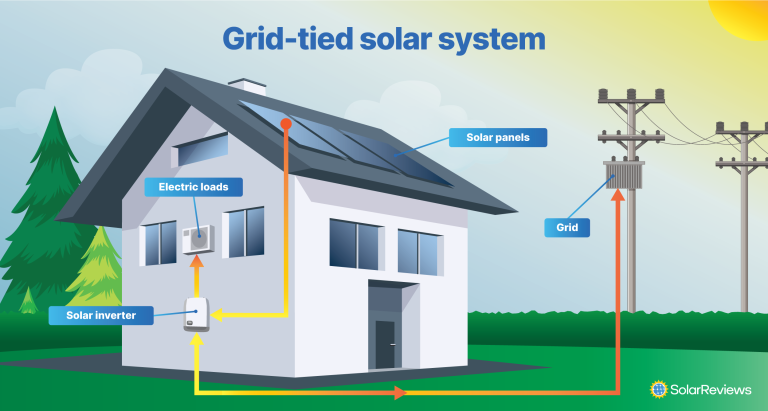
Solar photovoltaic (PV) power has become a cornerstone of residential energy independence across New Zealand. When designing a rooftop solar system, one of the most significant technical and financial decisions facing property owners is the choice of inverter technology. The inverter acts as the engine of the solar installation, converting the Direct Current (DC) electricity produced by solar panels into 230-volt Alternating Current (AC) electricity used by household appliances and fed into the local distribution grid.
Evaluating a Microinverter vs string inverter solar installation cost NZ proposal requires analyzing both upfront hardware outlays and long-term financial performance across a 25-year system lifecycle. While traditional string inverters remain the cost-effective benchmark for straightforward, unshaded roofs, microinverter systems offer panel-level optimization, enhanced fire safety, and greater design flexibility at a higher initial capital outlay. This comprehensive guide provides an objective breakdown of inverter architectures, component pricing tiers, real-world installation scenarios, lifecycle maintenance considerations, and regulatory compliance standards for New Zealand homes.
Overview of Microinverter vs String Inverter Solar Installation Cost NZ
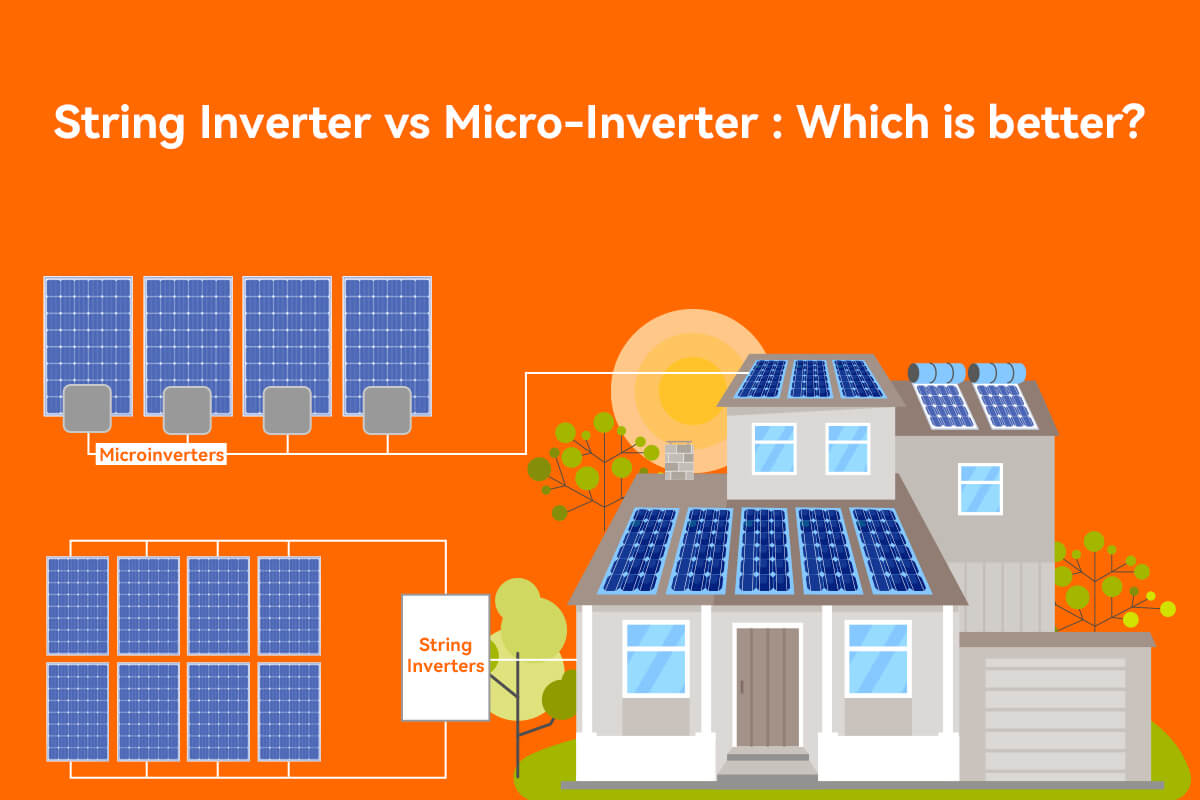
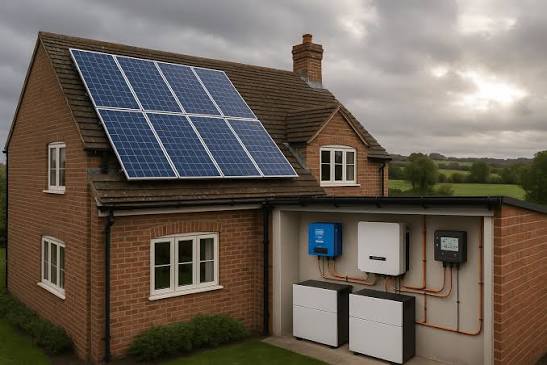
Understanding a Microinverter vs string inverter solar installation cost NZ comparison requires examining how each technology routes and processes power. In a conventional string inverter setup, 6 to 16 solar panels are wired together in series to form a high-voltage DC “string” (typically 300V to 600V DC). This high-voltage power travels along cables to a single central inverter mounted on an exterior wall or inside a garage. Conversely, a microinverter system places a small, dedicated inverter behind every individual solar panel on the roof, converting DC electricity to low-voltage AC right at the module level.
System Architecture Comparison
├── String Inverter Topology (Centralized Power Conversion)
│   ├── Solar Panels wired in Series (High-Voltage DC: 300V – 600V)
│   └── Single Central Inverter (Wall-mounted indoors/outdoors)
└── Microinverter Topology (Module-Level Power Electronics - MLPE)
    ├── Solar Panels operate Independently (Low-Voltage AC on Roof)
    └── Individual Microinverters mounted behind each panel
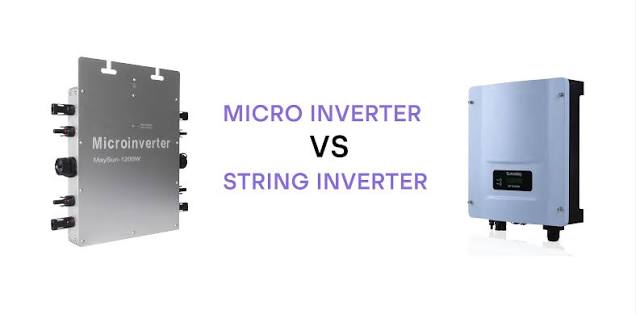
In the New Zealand market, opting for microinverters over a standard string inverter typically adds an upfront premium of $1,800 to $3,500 NZD on a standard 6.6 kW residential system (inclusive of 15% GST). A quality single-phase string inverter (such as units from Fronius, Sungrow, GoodWe, or Solis) ranges from $900 to $3,200 NZD for hardware alone, bringing total 6.6 kW system installation costs to roughly $11,000 to $13,500 NZD. Equipping the same 6.6 kW array with microinverters (primarily Enphase IQ8 series modules) shifts the overall turnkey installation cost to $14,000 to $16,500 NZD.
The fundamental cost variance stems from equipment density, manufacturing scale, and roof-level installation labor:
-
String Inverter Systems: Lower initial hardware costs and simpler ground-level replacement. However, because panels are linked in series like holiday string lights, output across the entire string can drop if a single panel experiences partial shading from trees, chimneys, or dirt accumulation.
-
Microinverter Systems: Higher initial hardware costs due to buying 15 to 16 individual units per installation. However, panel isolation guarantees that shading or dust on one module does not impact neighbor panels. Furthermore, microinverters ship with 25-year manufacturer warranties that match panel lifespans, whereas central string inverters typically carry 5- to 12-year warranties and require at least one full unit replacement during a 25-year system lifetime.
Key Inverter Categories and Hardware Configurations
Selecting an inverter framework in New Zealand involves evaluating single central units, hybrid-ready string systems, DC power optimizers, and true microinverters.
| Category / Type | Description | Common Use Case | Time / Cost / Effort Level (NZD inc. GST) |
| Standard String Inverter (Non-Hybrid) | Central wall-mounted box converting series DC power; single-point conversion without battery DC inputs. | Unshaded north-facing iron roofs; budget-conscious standard residential installs. | Lowest Upfront Cost ($900 – $2,200 hardware) / Fast installation / Low complexity |
| Hybrid String Inverter (Battery-Ready) | Central wall-mounted inverter with integrated high-voltage DC battery ports for future storage expansion. | Unshaded roofs where homeowners plan to add a DC-coupled battery within 1–3 years. | Moderate Upfront Cost ($1,800 – $4,500 hardware) / Fast installation / Moderate complexity |
| DC Power Optimizers (Hybrid Topology) | Small DC-to-DC conditioning chips under each panel paired with a central specialized string inverter (e.g., SolarEdge). | Roofs with moderate shading or split orientations seeking panel tracking at lower cost than microinverters. | Moderate-High Cost (+$1,000 – $2,500 over basic string) / Moderate roof labor |
| Pure Microinverters (MLPE) | Miniature AC inverters installed under every individual module, outputting 230V AC trunk lines directly. | Roofs with tree shading, multiple pitches (east/west/north), or plans for incremental expansion. | High Upfront Cost (+$1,800 – $3,500 over basic string) / Higher roof labor |
| Off-Grid / Multi-Mode Inverters | Specialized central power cores incorporating heavy-duty battery chargers and islanding contactors. | Remote rural properties without mains grid connection or high-reliability homesteads. | Very High Cost ($3,500 – $8,000+ hardware) / Multi-day specialist installation |
Choosing Between Hardware Configurations
Selecting the correct inverter architecture depends primarily on roof geometry, tree shading hazards, and long-term expansion plans. A standard or hybrid string inverter represents the most cost-effective choice for a clean, unshaded north-facing roof pitch between 15 and 30 degrees. However, if the roof features multi-directional gables (such as east, west, and north pitches), suffers from tree shading, or if the homeowner plans to add 2 to 4 additional panels in the future as household electricity demands grow, microinverters prevent system bottlenecks and allow flexible, modular expansion.
Practical Application Scenarios and Field Layouts
Scenario 1: Unshaded Single-Story Home in Christchurch (6.6 kW Array)
A homeowner in Christchurch installs a 6.6 kW system on an unshaded 22-degree north-facing trapezoidal iron roof.
-
System Design & Components:
-
15 x 440W Tier-1 monocrystalline panels arranged in a single series string.
-
1 x 5 kW single-phase string inverter (such as a Fronius Primo or Sungrow SH-RS) mounted in an attached garage.
-
Standard AC/DC isolator switches and switchboard smart meter integration.
-
-
Financial & Functional Outcome: Because the roof experiences zero shade throughout the year, every panel operates at identical efficiency. Selecting a quality string inverter keeps total turnkey installation costs between $12,500 and $13,800 NZD. The lower initial capital outlay delivers a rapid financial payback period of 5 to 6 years.
Scenario 2: Shaded Hillside Property in Wellington (6.6 kW Array)
A double-story home on a Wellington hillside features a split hip roof (8 panels east, 8 panels west) subject to morning shading from nearby pine trees and steep topography.
-
System Design & Components:
-
16 x 415W panels mounted across east and west roof planes using seismic-rated aluminum racking.
-
16 x Enphase IQ8 series microinverters mounted behind each panel on the roof rails.
-
1 x Enphase Envoy communications gateway unit integrated into the main switchboard for module telemetry.
-
-
Financial & Functional Outcome: String inverters would struggle on this site because morning shade on the east roof would drag down total circuit current, and split orientations would require complex multi-MPPT string wiring. Microinverters allow each panel to generate peak power independently. Total turnkey installation costs average $15,500 to $17,000 NZD. Despite the $2,500 premium, the microinverter system harvests 15% to 25% more annual kilowatt-hours than a choked string system.
Scenario 3: Suburban Auckland Home with Incremental EV & Heat Pump Plans (4.4 kW Expanding to 8.8 kW)
An Auckland household installs a modest 4.4 kW array (10 panels) with plans to add 10 more panels, an electric vehicle (EV) charger, and a hot water heat pump over the next four years.
-
System Design & Components:
-
10 x 440W panels fitted with 10 x microinverters.
-
AC trunk cabling routed directly to the switchboard via a dedicated AC circuit breaker.
-
-
Financial & Functional Outcome: Expanding a string inverter system later requires replacing the central inverter with a larger unit or adding a second string inverter box, adding substantial labor and hardware fees. With microinverters, adding 4 to 10 panels years later simply involves clipping new panels and microinverters onto the existing roof rails and extending the AC trunk cable. Initial 4.4 kW installation costs total $11,500 NZD, with seamless future scalability.
Comparative Scenario Analysis
Scenario 1 demonstrates that unshaded, single-plane roofs derive maximum return on investment from string inverters by keeping initial capital outlays low. Scenario 2 illustrates how microinverters justify their price premium on complex, shaded sites by preventing shade bottlenecks and maximizing overall energy yield. Scenario 3 highlights the long-term cost benefits of microinverter modularity for households planning phased electrical expansions.
Planning, Capital Budgeting, and Lifecycle Cost Considerations

A thorough Microinverter vs string inverter solar installation cost NZ analysis requires evaluating initial equipment purchase prices alongside 25-year lifecycle maintenance obligations. The table below details an itemized line-item financial comparison for a standard 6.6 kW residential installation in New Zealand.
| Budget Component | String Inverter System (6.6 kW) | Microinverter System (6.6 kW) | Line-Item Explanation & Cost Drivers |
| Tier-1 Solar Modules (15–16 Panels) | $3,800 – $5,200 NZD | $3,800 – $5,200 NZD | Standard 415W–440W monocrystalline panels; identical hardware cost. |
| Inverter Hardware (Component Only) | $1,200 – $3,200 NZD | $4,200 – $6,000 NZD | 1 x string inverter ($1.2k–$3.2k) vs 15–16 x microinverters ($280–$380/unit). |
| Racking, Cabling & BOS Hardware | $1,200 – $2,200 NZD | $1,600 – $2,800 NZD | Microinverters require specialized AC trunk cables and communications gateway modules. |
| Trade Installation Labor & Testing | $1,800 – $2,800 NZD | $2,400 – $3,600 NZD | Microinverters require additional roof-level mounting, grounding, and module pairing labor. |
| Network Connection & Inspection | $400 – $800 NZD | $400 – $800 NZD | Lines company (DNSP) application fees, smart meter programming, & inspector sign-off. |
| Initial Turnkey Outlay (incl. GST) | $11,500 – $13,800 NZD | $14,200 – $16,800 NZD | Microinverters carry a $2,200 – $3,200 NZD upfront premium on a 6.6 kW system. |
| Mid-Life Inverter Replacement (Year 10–15) | $1,800 – $3,500 NZD | $0 NZD (covered under 25-yr warranty) | String inverters require ~1 unit replacement during panel lifetime. |
| Net 25-Year Inverter Capital Outlay | $13,300 – $17,300 NZD | $14,200 – $16,800 NZD | Lifecycle costs equalize over 25 years due to string replacement expenses. |
Note: Monetary figures represent baseline market estimates in New Zealand dollars (NZD) inclusive of 15% GST. Actual line-item expenses fluctuate based on roof pitch, multi-story scaffolding needs, switchboard upgrades, and regional freight surcharges.
Strategies, Diagnostic Tools, and Technical Support Options
Choosing between central and distributed inverter architectures involves evaluating diagnostic capabilities, rapid shutdown safety protocols, and battery coupling paths.
-
Module-Level Performance Telemetry: Microinverter systems stream real-time voltage, current, and wattage data for every panel on the roof to cloud portals (such as Enphase App).
-
Advantages: Homeowners and technicians can pinpoint failing panels, dirt buildup, or localized shading instantly from a smartphone.
-
Disadvantages: Requires a continuous home internet connection and dedicated gateway hardware.
-
-
Rapid Shutdown & Roof DC Safety Compliance: Microinverters convert high-voltage DC to low-voltage AC right at the panel glass.
-
Advantages: Eliminates dangerous high-voltage DC cable runs (300V–600V DC) across roof spaces, reducing fire risk and protecting emergency services workers or maintenance trades.
-
Disadvantages: Standard string inverters can achieve similar safety levels only by adding external DC isolation hardware or power optimizers.
-
-
AC Coupling vs. DC Coupling for Battery Storage:
-
DC Coupling (Hybrid String Inverters): High-voltage DC power flows directly from panels into hybrid string inverters and into DC battery banks (e.g., Sungrow or Fronius GEN24), achieving high round-trip efficiency (95% to 98%).
-
AC Coupling (Microinverters): Microinverters output 230V AC on the roof, which must be rectified back to DC to charge an AC-coupled battery (such as the Enphase IQ Battery 5P or Tesla Powerwall). This double conversion introduces a minor 4% to 8% round-trip efficiency loss.
-
-
Bank Green Home Loan Financing: Concessional home loan top-up programs offered by major New Zealand retail banks (e.g., ANZ, Westpac, ASB, BNZ).
-
Advantages: Provides 0% or low-interest financing (e.g., 1% over 3 years) for up to $50,000 of solar hardware, allowing energy bill savings to fund the higher initial capital outlay of microinverter systems.
-
Disadvantages: Requires holding an active home mortgage with a participating bank and hiring a SEANZ-accredited installer.
-
Safety Hazards, Technical Risks, and Common Pitfalls
Solar power systems involve high electrical currents, roof structural loads, and weather exposure. Managing technical risks requires identifying common points of system stress across both inverter topologies.
-
Failure to Budget for Mid-Life String Inverter Replacement: Assuming a string inverter will last 25 years without component degradation is a common financial mistake. String inverters carry 5- to 12-year warranties and an average operating lifespan of 10 to 15 years. Failing to budget $1,800 to $3,500 NZD for a year-12 replacement distorts long-term ROI calculations.
-
Thermal Stress on Roof-Mounted Microinverters: Microinverters sit directly beneath solar panels on iron or tile roofs, where summer temperatures can exceed 65°C. Low-quality microinverters can suffer thermal throttling or premature capacitor failure. Mitigation: Specify Tier-1 microinverters with broad operating temperature envelopes (-40°C to +65°C) and robust thermal potting compound.
-
Complex Roof-Access Labor for Microinverter Warranty Claims: While microinverter warranty claims cover replacement hardware, replacing a failed microinverter requires a technician to climb onto the roof, unbolt solar panels, and swap the unit. On steep or multi-story homes, scaffolding or safety harness setup can incur labor and access fees.
-
DC Arc Faults on High-Voltage String Runs: Poorly crimped MC4 connectors or deteriorating DC cable insulation on high-voltage string lines (up to 600V DC) can generate dangerous DC arcing, posing roof fire risks. Mitigation: Adhere strictly to AS/NZS 5033 standards, specify heavy-duty UV-stabilized conduit, and ensure installers perform insulation resistance testing.
-
Over-Investing in Microinverters on Simple Roofs: Installing microinverters on a simple, single-plane, unshaded north-facing roof adds unnecessary initial capital outlay without producing meaningful extra power.
Maintenance, Best Practices, and Long-Term System Management
While solar photovoltaic hardware has no moving parts, simple routine maintenance preserves electrical safety and maintains peak generation output over a multi-decade operational lifespan.
Ongoing Preventative Maintenance Checklist
-
Monthly Performance Portal Checks: Review cloud monitoring apps monthly to verify that daily output matches seasonal expectations. On microinverter systems, check for individual panel icon alerts indicating a failed module or offline unit.
-
Biannual Visual Roof Inspections: Inspect the array from ground level using binoculars to check for dislodged tile flashing, bird nesting beneath panels, or loose hanging AC/DC cabling.
-
Annual Panel Surface Cleaning: In areas subject to sea salt spray, agricultural dust, or bird roosts, clean panel glass using demineralized water and a soft non-abrasive pole brush. Clean glass ensures unshaded microinverters and string panels operate at rated capacity.
-
String Inverter Clearance Audits: Ensure wall-mounted string inverters maintain 150mm of clear air gap around heat sink fins. Clear away dust, cobwebs, or stored items in garages to prevent thermal throttling.
-
Five-Year Professional Electrical Audit: Engage a SEANZ-accredited electrician to perform insulation resistance testing, verify AC/DC isolator operation, check terminal torque tightness, and conduct thermal imaging on switchboard connections.
System Documentation, Reporting, and Value Tracking
Organizing technical documentation protects capital investments, maintains equipment warranties, and verifies property improvements during real estate transactions.
Essential Project Records
-
Certificate of Compliance (CoC) & Electrical Safety Certificate (ESC): Mandatory legal sign-off documents issued by a registered New Zealand electrician confirming compliance with AS/NZS 3000 wiring standards and AS/NZS 5033 PV rules.
-
Lines Company Connection Agreement: Formal approval documentation issued by the local electricity distribution network operator (e.g., Vector, Orion, Powerco, Unison) confirming grid import/export parameters.
-
Serial Number & Array Layout Maps: Complete physical maps detailing panel string routes or microinverter serial number positioning on the roof grid.
-
Warranty Documentation: Written warranty certificates detailing panel product warranties (12 to 25 years), linear power guarantees (25 to 30 years), string inverter warranties (5 to 12 years), microinverter warranties (25 years), and installer workmanship guarantees (5 to 10 years).
Illustrative Documentation Examples
-
Example A (Microinverter Panel Mapping): An Auckland homeowner notices a notification on their smartphone app indicating Panel #12 has dropped to zero output. Referencing the installer’s physical array serial map, the technician identifies the exact panel on the upper rear roof, replaces a loose AC trunk connector, and restores full generation within one service visit.
-
Example B (String Inverter Year-12 Replacement): A Christchurch homeowner experiences a total array shutdown after 12 years of operation. The central string inverter displays an internal isolation fault code. The homeowner references their original CoC and system documentation to hire a local electrician, who swaps the aged inverter for a modern hybrid unit within four hours.
Summary
Analyzing the Microinverter vs string inverter solar installation cost NZ equation reveals that while traditional string inverters ($11,500 to $13,800 NZD turnkey for 6.6 kW) offer the lowest initial capital outlay, microinverter systems ($14,200 to $16,800 NZD turnkey) provide panel-level optimization, enhanced low-voltage safety, and modular system expansion. Over a 25-year lifecycle, the financial gap between the two technologies narrows significantly because central string inverters typically require a $1,800 to $3,500 NZD mid-life replacement, whereas microinverters feature 25-year warranties. By matching inverter selection to roof shading conditions, utilizing bank green home loans, and engaging SEANZ-certified installers, New Zealand property owners can deploy a solar energy system that delivers reliable, cost-effective electricity for decades.
Frequently Asked Questions
What is the cost difference between microinverters and string inverters in NZ?
On a standard 6.6 kW residential solar system in New Zealand, microinverters typically add an upfront premium of $1,800 to $3,500 NZD over a standard string inverter setup. Turnkey string inverter systems range from $11,500 to $13,800 NZD, while equivalent microinverter systems range from $14,200 to $16,800 NZD fully installed.
Which inverter type is better for shaded roofs in New Zealand?
Microinverters (or string inverters fitted with DC power optimizers) perform significantly better on shaded roofs. Because microinverters operate independently behind each solar panel, shading on one panel does not reduce the power output of unshaded panels across the rest of the array.
How long do solar inverters last in New Zealand?
Standard central string inverters typically last 10 to 15 years and usually require one unit replacement during a solar panel’s 25-year lifespan. Microinverters are built to match panel lifespans and typically carry 25-year manufacturer warranties.