40 Amp EV Charger Cost with Panel Upgrade US Guide
40 Amp EV Charger Installation Cost with Panel Upgrade US: A Comprehensive Guide
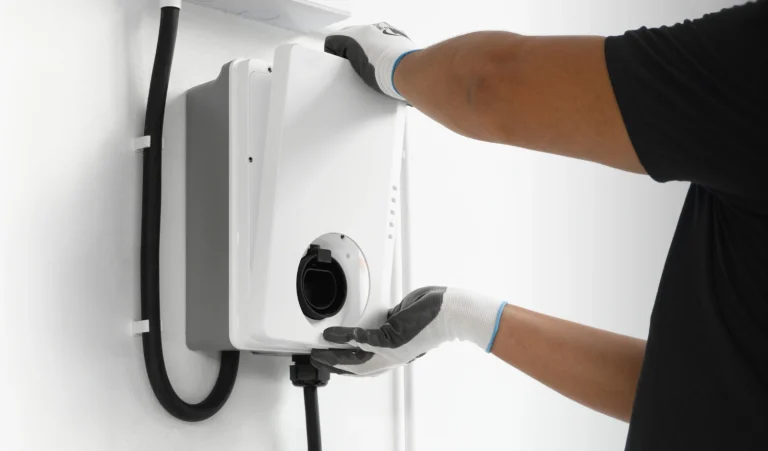
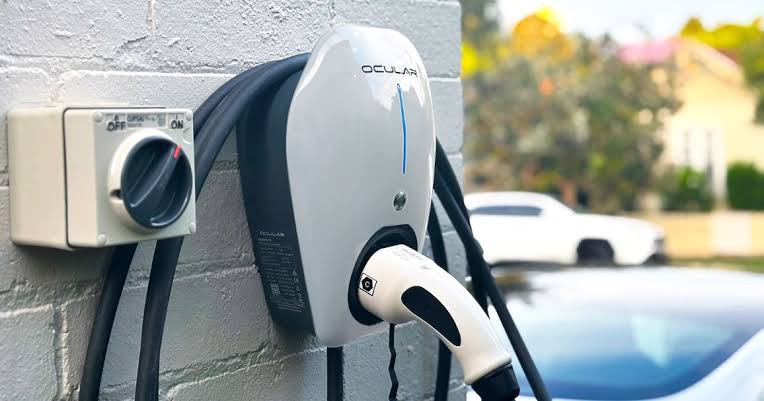
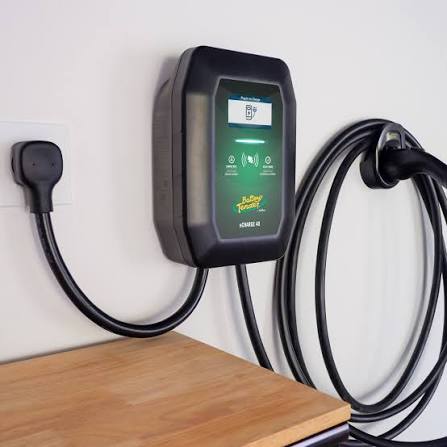
Installing a 40-amp Level 2 electric vehicle (EV) charger is one of the most effective home improvements for electric vehicle owners across the United States. Capable of delivering up to 9.6 kilowatts (kW) of power—replenishing approximately 30 to 35 miles of driving range per hour—a 40-amp charger represents an optimal balance between rapid charging speed and residential electrical feasibility. However, because the National Electrical Code (NEC) mandates that continuous electrical loads operate at no more than 80% of a circuit breaker’s rated capacity, a 40-amp continuous draw requires a dedicated 50-amp 240-volt circuit.
In many older American homes built with 100-amp main electrical service, adding a continuous 50-amp circuit exceeds the safe, calculated load capacity of the existing breaker panel. Upgrading the main electrical service panel to 200 amps becomes a necessary step to ensure household safety and electrical code compliance. Evaluating the 40 amp EV charger installation cost with panel upgrade US baseline requires understanding equipment prices, panel replacement labor, copper wiring runs, utility interconnection rules, and municipal permitting fees. This guide provides a neutral, textbook-quality overview of project planning, system configurations, budgeting frameworks, safety standards, and long-term asset management.
Overview of 40 Amp EV Charger Installation Cost with Panel Upgrade US
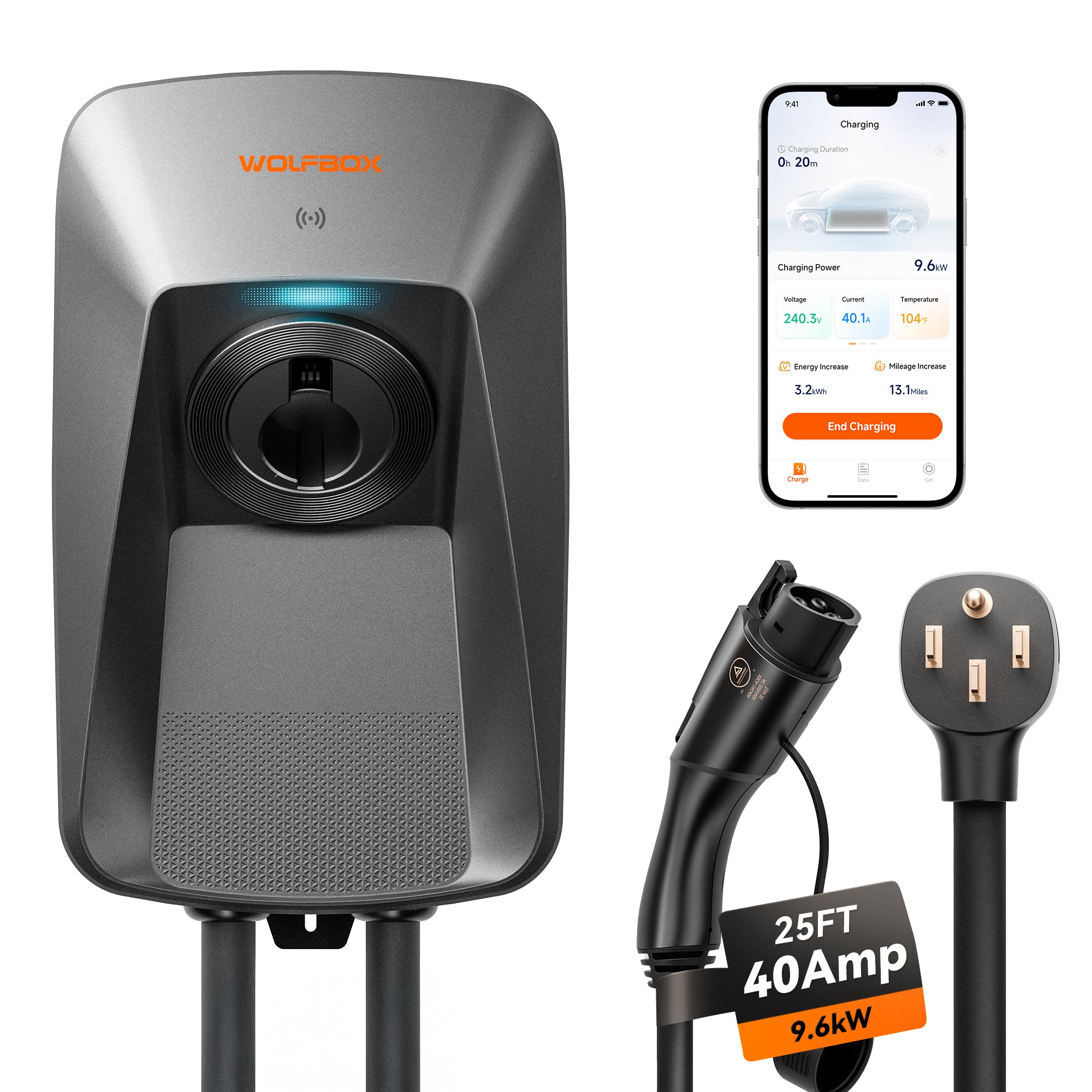
Understanding a 40 amp EV charger installation cost with panel upgrade US estimate requires separating the project into three distinct financial components: the charging hardware, the electrical panel upgrade, and the dedicated circuit wiring labor. Nationwide, the complete turnkey cost for installing a 40-amp Level 2 EV charger combined with a 100-amp to 200-amp main panel upgrade typically ranges from $2,800 to $6,500+.
Turnkey Project Breakdown (40A Charger + 200A Panel Upgrade)
├── 40-Amp Level 2 EVSE Hardware (Plug-In or Hardwired): $350 – $700
├── Main Service Panel Upgrade (100A to 200A): $1,800 – $4,200
├── Dedicated 50-Amp Circuit, Wiring & Outlet/Hardwire Junction: $450 – $1,200
├── Municipal Permitting & Building Inspection Fees: $100 – $350
└── Total Estimated Project Investment: $2,700 – $6,450+
The underlying technical necessity for a panel upgrade stems from NEC Article 220 load calculations. When an electrician assesses a home’s electrical service, they calculate total connected loads—including central air conditioning, water heaters, clothes dryers, and electric ranges. In a standard 100-amp service, adding a 50-amp circuit (30.7 amps continuous for the EV charger after applying the 125% code multiplier) often breaches allowable load thresholds, risking main breaker trips or electrical overheating.
Upgrading to a 200-amp panel resolves these capacity limits while providing spare breaker slots for future home electrification, such as heat pumps or solar energy storage. Total project expenses vary depending on geographic labor rates, whether the electrical service drop is overhead or underground, and the physical distance between the new electrical panel and the vehicle charging location.
Primary Upgrade Routes and Installation Categories
Homeowners facing capacity constraints have several options for integrating a 40-amp charger, ranging from traditional panel replacements to smart energy management solutions.
| Category / Type | Technical Description | Primary Use Case | Time / Cost / Effort Level |
| Full 200A Main Panel Replacement | Replaces old 100A panel with a modern 200A main breaker panel, meter socket, and service entrance wires. | Older homes with 100A panels, full breaker slots, or high household power demand. | High Cost ($2,500–$5,000+) / 1–2 days / High trade labor. |
| Smart Electrical Panel Upgrade | Installs a digital panel (e.g., Span or Schneider Pulse) with circuit-level software control. | Tech-focused homes, solar/storage integrations, or dynamic circuit management. | Highest Cost ($3,500–$7,000+) / 1–2 days / Specialized labor. |
| Subpanel Installation + Partial Upgrade | Adds a secondary breaker box connected to the main panel to expand physical slot capacity. | Homes with sufficient main amperage but zero physical space for a new 50A breaker. | Moderate Cost ($800–$1,800) / 4–8 hours / Moderate trade labor. |
| Energy Management / Load Switch | Installs an automatic load-shedding switch that pauses EV charging if household power peaks. | Older 100A homes seeking to avoid a full $3,000+ service upgrade. | Lower Initial Cost ($1,200–$2,200) / 3–6 hours / Low-moderate labor. |
| Hardwired 40A Charger Integration | Direct wiring to a 50A breaker without a plug/receptacle; avoids GFCI breaker requirements. | Outdoor installations, long-term stability, and lower material expenses. | Standard Charger Cost ($350–$700) / 2–4 hours / Moderate labor. |
Choosing Between Installation Routes
Deciding among these approaches depends on long-term property plans and electrical conditions. A full 200-amp main service upgrade offers the highest reliability, future-proofing the residence for additional electric vehicles, induction cooking, or HVAC heat pumps. If the existing 100-amp panel has calculated load capacity but lacks open slot positions, adding a subpanel provides a cost-effective solution. For homes where utility service upgrades are cost-prohibitive due to buried utility lines, an automated smart energy management system allows a 40-amp charger to operate safely within 100-amp constraints by automatically pausing power delivery during peak appliance usage.
Practical Application Scenarios and Field Layouts
Scenario 1: Suburban Home with 100A Panel & Attached Garage (Short Wire Run)
A homeowner in Ohio occupies a 1970s split-level home with a 100-amp main panel located inside an attached two-car garage. The panel is fully populated and lacks spare capacity for a new 50-amp circuit.
-
Implementation Steps:
-
Electrician files for a municipal permit and coordinates a temporary service disconnect with the local electric utility.
-
Replacing the existing 100A panel with a 200A main breaker panel, new meter enclosure, and 2/0 copper service entrance conductors.
-
Running 6 feet of 3/4-inch metal conduit containing 6 AWG copper wire from the new panel to a NEMA 14-50 industrial receptacle.
-
Installing a dedicated 50-amp double-pole GFCI circuit breaker.
-
Plugging in a 40-amp Level 2 EVSE and passing municipal electrical inspection.
-
-
Why Relevant: Demonstrates a common scenario where short physical proximity keeps wiring costs low ($500–$800), but panel limitations drive the total project investment to $3,200 to $4,500.
Scenario 2: Older Residence with Detached Garage (Long Wire Run & Underground Trenching)
A homeowner in Oregon owns a 1920s bungalow with an outdated 100-amp fuse box in the basement and a detached garage located 60 feet behind the residence.
-
Implementation Steps:
-
Excavating a 18-inch-deep trench from the house basement to the detached garage.
-
Upgrading the house main service to a 200-amp main breaker panel.
-
Installing a 60-amp feeder subpanel in the detached garage, connected via Schedule 80 PVC underground conduit and 4 AWG copper THHN conductors.
-
Hardwiring a 40-amp Level 2 charger directly to a 50-amp breaker inside the garage subpanel.
-
Driving ground rods at the detached garage as required by local building codes.
-
-
Why Relevant: Illustrates how civil excavation, long wire runs, and subpanels combine with a main service upgrade to push total turnkey costs to $5,200 to $7,500.
Scenario 3: Urban Multi-Story Home Using Smart Load Management
A homeowner in Atlanta, Georgia, lives in a historic home with a 100-amp main service panel. The local electric utility charges substantial fees to upgrade the underground service lateral feed.
-
Implementation Steps:
-
Installing a smart current-monitoring load management device adjacent to the 100-amp panel.
-
Mounting current transformer (CT) clamps on the main service legs to monitor real-time household electrical draw.
-
Wiring a dedicated 50-amp circuit to a hardwired 40-amp EVSE in the driveway.
-
Programming the load device to automatically pause charging whenever household current draws exceed 80 amps (e.g., when the central air conditioner and clothes dryer run simultaneously).
-
-
Why Relevant: Shows how smart load management allows a 40-amp charger to operate safely without a full utility service replacement, keeping total installation costs between $2,100 and $3,200.
Comparative Analysis
Scenario 1 illustrates a conventional service upgrade where garage proximity minimizes conduit and wiring expenses. Scenario 2 highlights how physical distance, trenching, and secondary structures add substantial labor and material costs to a panel upgrade. Scenario 3 provides an alternative path, showing how digital load management can circumvent utility service replacements while maintaining code compliance.
Planning, Capital Budgeting, and Resource Allocation

Evaluating the 40 amp EV charger installation cost with panel upgrade US framework requires an itemized cost analysis covering equipment, structural components, permits, and trade labor. The financial model below details typical cost line items for a standard attached-garage installation.
| Budget Category | Estimated Cost Range (USD) | Line-Item Explanation & Variance Factors | Optimization Tips |
| 40-Amp EVSE Hardware | $350 – $700 | Level 2 charger unit; plug-in vs. hardwired configurations. | Select ENERGY STAR models eligible for local utility rebates. |
| 200A Service Panel & Meter | $400 – $900 | 200A main breaker panel, meter enclosure, & 2/0 wire. | Purchase panel kits that include main breakers and neutral bars. |
| Master Electrician Labor | $1,500 – $3,500 | Professional trade labor for service upgrade and wiring. | Request itemized quotes separating panel replacement from charger wiring. |
| Dedicated 50A Circuit Materials | $150 – $400 | 6 AWG copper wire, 50A breaker, conduit, and box. | Hardwiring avoids expensive $120+ GFCI receptacle breakers. |
| Utility Disconnect & Inspection | $100 – $400 | Municipal permit, safety inspection, & utility fees. | Ensure the contractor handles all utility scheduling and permits. |
| Gross Estimated Investment | $2,500 – $5,900 | Total turnkey project expense before tax credits/rebates. | Apply federal tax credits and state incentives to reduce net outlays. |
Note: Figures listed above serve as regional baseline estimates in the United States. Final pricing varies based on local trade rates, utility service requirements, underground vs. overhead utility feeds, and material costs.
Technical Strategies, Management Tools, and Support Options
Navigating a panel upgrade and EV charger installation involves evaluating incentive frameworks, electrical management tools, and service choices.
Financial Incentive Stacking Strategy
├── Federal Section 30C Tax Credit: 30% of total project cost (up to $1,000 in eligible tracts)
├── Federal Section 25C Tax Credit: Up to $600 for qualifying electrical panel upgrades
├── State & Local Utility Rebates: $200 – $1,500 for Level 2 EVSE installation
└── Net Out-of-Pocket Cost: Significantly reduced overall capital outlay
-
Federal Tax Incentives (Section 30C & Section 25C): The federal Section 30C Alternative Fuel Vehicle Refueling Property Credit offers up to a 30% tax credit (capped at $1,000) for EV charger hardware and installation in eligible census tracts. Additionally, Section 25C provides tax credits of up to $600 for main panel upgrades installed in conjunction with qualified energy efficiency improvements.
-
Electric Utility Rebate Programs: Many municipal utilities and investor-owned utilities offer direct rebates ranging from $200 to $1,500 for Level 2 charger installations. Some utilities require smart chargers that support off-peak time-of-use (TOU) billing schedules.
-
Hardwired vs. Plug-In (NEMA 14-50) Topologies:
-
Plug-In (NEMA 14-50): Plugs into a 240V outlet. Offers physical portability but requires a 50A GFCI circuit breaker under recent NEC standards, adding $120 to $220 in hardware costs.
-
Hardwired: Directly wired to the breaker panel. Eliminates plug failure points, does not require an external GFCI breaker in most jurisdictions, and supports outdoor weatherproof mounting.
-
-
Current Transformer (CT) Monitoring Systems: External sensors installed inside electrical panels that measure real-time power consumption. CT sensors feed data to smart panels or chargers, dynamically adjusting EV charging speeds to prevent service overload.
Safety Hazards, Code Risks, and Common Pitfalls
Installing high-current continuous loads and performing main service panel replacements involve high-voltage electricity and structural building codes.
-
Undersized Wire Gauge for Continuous Loads: Installing 8 AWG wire on a 50-amp circuit powering a 40-amp continuous load causes excessive wire heating and voltage drops. NEC rules require a minimum of 6 AWG copper wire for 50-amp circuits. Mitigation: Ensure the electrician specifies 6 AWG copper conductors rated for the continuous load.
-
Utilizing Builder-Grade NEMA 14-50 Receptacles: Cheap $10 residential-grade outlets are designed for occasional range or dryer plugs, not continuous 40-amp EV loads. Continuous current can cause cheap outlet terminals to overheat and melt. Mitigation: Specify commercial or industrial-grade receptacles (such as Hubbell or Bryant) or hardwire the charger directly.
-
Skipping Municipal Permits and Utility Coordination: Replacing a main panel without utility coordination or municipal permits risks unannounced service cut-offs, fines, and denied insurance claims in the event of an electrical fire. Mitigation: Always verify that the contractor pulls local building permits and secures utility sign-off.
-
Improper GFCI Breaker Pairing: Plugging an EV charger with built-in ground fault monitoring into a circuit protected by a standard GFCI breaker can cause “double-GFCI” nuisance tripping, interrupting overnight charging cycles. Mitigation: Hardwiring the charger eliminates external GFCI breaker conflicts in most jurisdictions.
-
Overlooking Panel Busbar Thermal Ratings: Placing a new 50-amp breaker directly adjacent to existing heavy continuous loads (like electric water heaters) can create localized hot spots on the panel busbar. Mitigation: Balance breakers across both hot legs and leave space between high-draw circuits.
Maintenance, Best Practices, and Long-Term Asset Care
Electrical panels and EV charging equipment require periodic maintenance to preserve safety, prevent unexpected downtime, and maintain code compliance.
Preventative Maintenance Checklist
-
Monthly Visual & Physical Checks: Inspect the EV charger cable for cuts, flattening, or outer jacket cracking. Check the vehicle charging nozzle for bent pins or debris.
-
Biannual Thermal Audits: During an active 40-amp charging session, feel the main panel door and charging junction box. Components should feel warm to the touch, but never hot. Excessive heat indicates loose wire connections or failing contacts.
-
Annual Outlet Tension Tests (For Plug-In Chargers): If using a NEMA 14-50 outlet, test the physical resistance when inserting the plug. A loose plug indicates worn internal receptacle contacts, which require immediate outlet replacement to avoid arcing.
-
Five-Year Professional Panel Audits: Hire a licensed electrician to inspect the main panel. The technician should check main lug torque tightness, inspect busbars for corrosion, and verify breaker mechanical mechanics.
-
Firmware Updates: Ensure smart Wi-Fi-connected EV chargers receive automatic firmware updates to maintain security and compatibility with utility management software.
Documentation, Verification, and Performance Tracking
Organizing technical project documentation protects property resale value, simplifies warranty claims, and verifies safety compliance for insurance underwriters.
Essential Project Documentation
-
Municipal Electrical Permit & Final Inspection Certificate: Official sign-off from the local building authority confirming that the panel upgrade and charger installation comply with national and local codes.
-
NEC Load Calculation Sheet: Written load calculations performed by the electrician proving that the new 200-amp service safely accommodates household electrical demand.
-
Itemized Contractor Invoices: Invoices detailing the panel brand, main breaker size, wire gauge, conduit type, and EVSE serial numbers.
-
Utility Meter Service Agreement: Written confirmation from the electric utility approving the upgraded 200-amp service drop.
Illustrative Documentation Examples
-
Example A (Utility Rebate Processing): A homeowner in Texas submits their itemized contractor invoice, 200-amp panel permit sign-off, and smart charger serial number to their local utility portal, securing a $1,000 rebate within 14 business days.
-
Example B (Home Resale Conveyancing): During a residential property sale, the home inspector notes the upgraded 200-amp service and garage EV charger. The seller provides the official municipal inspection certificate and load calculation sheet, confirming code compliance and supporting the home’s appraisal valuation.
Closing Summary
Calculating the 40 amp EV charger installation cost with panel upgrade US framework reveals that combining a Level 2 charger installation with a 100-amp to 200-amp main service replacement represents a turnkey investment ranging from $2,800 to $6,500+. While the upfront capital outlay is higher than a standard charger installation, upgrading the main service panel eliminates overload risks, complies with National Electrical Code load limits, and future-proofs the home for additional electrification. By selecting licensed electrical contractors, utilizing hardwired connections, applying for federal and local rebates, and maintaining thorough inspection records, homeowners can establish a safe, high-speed charging system built to last for decades.
Frequently Asked Questions
How much does it cost to install a 40-amp EV charger with a panel upgrade in the US?
In the US, the combined turnkey cost to upgrade a main electrical panel (100-amp to 200-amp) and install a 40-amp Level 2 EV charger typically ranges from $2,800 to $6,500+. The panel upgrade accounts for $1,800 to $4,200, while the charger, circuit wiring, and permits account for $1,000 to $2,300+.
What size circuit breaker is required for a 40-amp EV charger?
Under the National Electrical Code (NEC) continuous load rule, a 40-amp continuous charger requires a dedicated 50-amp 240-volt circuit breaker and 6 AWG copper wiring. The 125% multiplier ensures the circuit operates safely without overheating during multi-hour charging sessions.
Do I always need a 200-amp panel upgrade to install a 40-amp EV charger?
Not always, but it depends on your home’s calculated load. Homes with existing 200-amp panels generally have sufficient spare capacity. However, homes with 100-amp panels often require an upgrade or an automated smart load management switch to prevent main breaker overloads.