Level 2 EV Charger Cost Canada Snow Climates Guide
Level 2 EV Charger Installation Cost Canada Snow Climates: A Comprehensive Guide
Installing a Level 2 electric vehicle (EV) charging station at home is one of the most effective ways to ensure reliable daily transportation in northern latitudes. Operating on a dedicated 240-volt circuit, Level 2 supply equipment adds between 30 and 60 kilometers (20 to 40 miles) of driving range per hour, enabling a vehicle battery to fully recharge overnight. In severe winter conditions where cold temperatures decrease battery chemical efficiency and increase cabin heating loads, having an accessible, high-powered home charger becomes an essential operational requirement rather than a mere convenience.
Calculating the Level 2 EV charger installation cost Canada snow climates homeowners face requires analyzing factors beyond standard electrical wiring. Sub-zero winter weather, ice storms, deep frost lines, heavy snowpack, and seasonal heating loads introduce specific mechanical, structural, and electrical demands. This guide provides a detailed, textbook-quality breakdown of equipment specifications, electrical installation variables, line-item budgeting models, safety regulations, and cold-weather maintenance practices for Canadian homes.
Overview of Level 2 EV Charger Installation Cost Canada Snow Climates
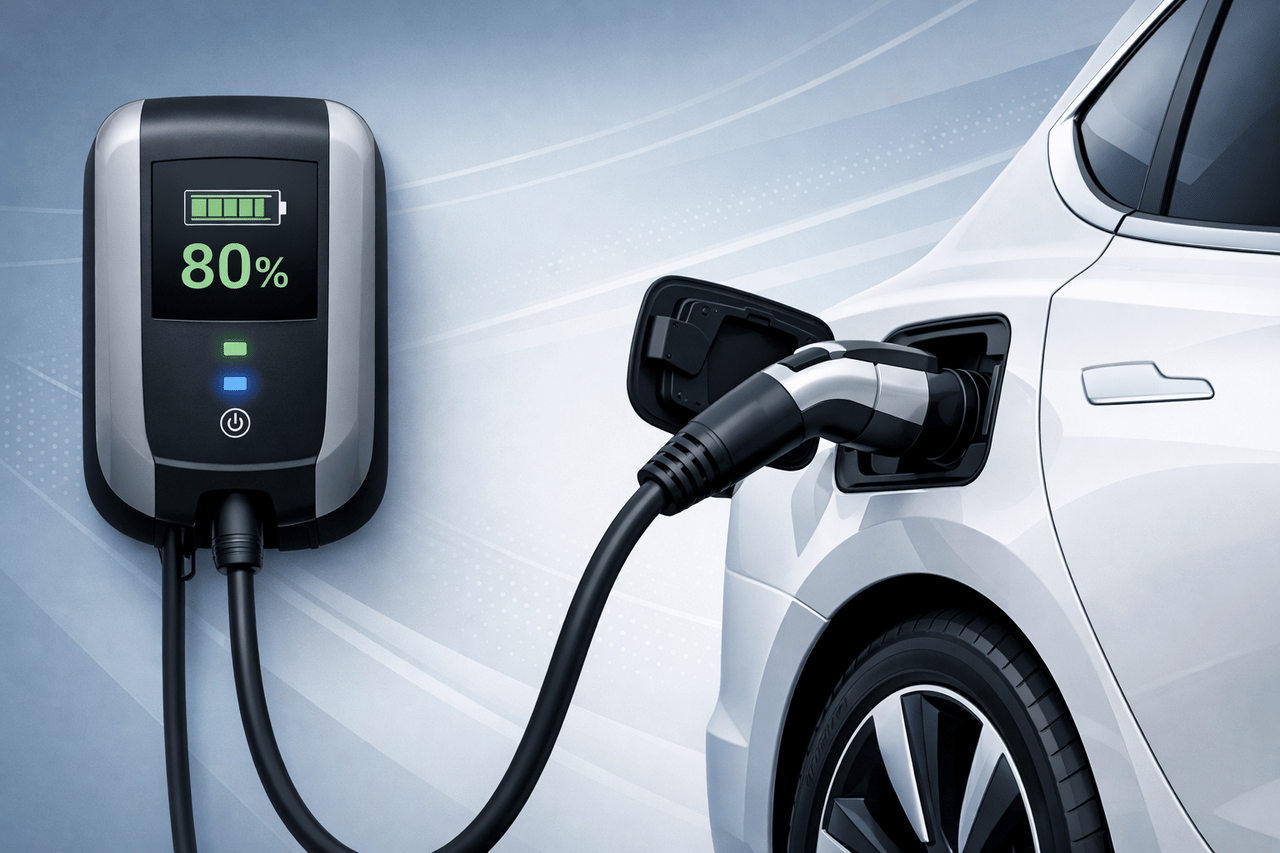
Understanding a Level 2 EV charger installation cost Canada snow climates projection involves evaluating two main capital outlays: hardware procurement and licensed electrical labor. Across Canadian provinces, a complete Level 2 residential installation typically costs between $1,500 and $3,500 CAD for standard setups. In complex environments—such as older homes requiring service panel upgrades, detached garages requiring subterranean trenching below local frost lines, or multi-unit residential buildings—total outlays can reach $4,000 to $7,000+ CAD.
Turnkey Project Cost Structure (Average Canadian Home in CAD)
├── Level 2 EVSE Hardware Unit (NEMA 4 / -40°C Rated): $500 – $1,200
├── Electrical Labor, Cabling & Mounting: $800 – $2,000
├── Municipal & Electrical Safety Authority Permits: $100 – $300
├── Optional EV Energy Management System (Load Sharer): $1,000 – $1,800
└── Optional Main Service Panel Upgrade (100A to 200A): $2,500 – $5,000+
The underlying technical drivers of cold-climate installation costs stem from environmental protection and electrical capacity:
-
Cold-Hardened Hardware Rating: Standard indoor chargers or mild-weather enclosures fail under freezing rain and prolonged sub-zero temperatures. Cold-climate installations require NEMA 4 or NEMA 4X (IP66) enclosures constructed from heavy-duty polycarbonate or aluminum, accompanied by rubber-jacketed cables rated to remain flexible at $-40^\circ\text{C}$ ($-40^\circ\text{F}$).
-
Sub-Zero Cable Management: In freezing conditions, heavy charging cables stiffen if made from cheap PVC jacketing. High-quality rubber cabling prevents insulation cracking and connector housing damage when handled in extreme cold.
-
Winter Panel Load Constraints: Cold winter weather increases residential power consumption due to electric auxiliary space heating, heat pumps, and water heaters. Adding a continuous 32-amp to 48-amp EV charging load to a standard 100-amp electrical panel often triggers a code violation under the Canadian Electrical Code (CEC) load calculation rules. Homeowners must either upgrade the main panel to 200 amps or install an Electric Vehicle Energy Management System (EVEMS) to dynamically throttle charging.
-
Subterranean Frost-Line Trenching: Running electrical conduit to detached garages or outdoor parking pads in cold regions requires excavating below regional frost depth (typically 1 to 1.2 meters / 3 to 4 feet) or applying rigid metal conduit (RMC) configurations to prevent soil heave from snapping underground wiring.
Primary Charger Configurations and Cold-Weather Installation Types
Selecting an installation approach requires balancing physical site accessibility, winter weather exposure, available electrical capacity, and vehicle charging speeds.
| Category / Type | Description | Common Use Case | Time / Cost / Effort Level |
| Attached Garage Hardwired Mount | Heavy-duty wall station hardwired directly to a 240V circuit inside a sheltered garage. | Attached garages offering protection from snow accumulation and wind chill. | Lowest Cost ($1,200 – $2,200 CAD) / 3–5 hours labor / Standard electrical effort. |
| Attached Garage NEMA 14-50 Plug-In | Wall unit connected to a heavy-duty 240V industrial receptacle; allows simple station removal. | Sheltered indoor spaces where mobility or easy unit replacement is desired. | Low-Moderate Cost ($1,400 – $2,500 CAD) / 3–5 hours labor / Requires GFCI breaker. |
| Outdoor Wall Mount (NEMA 4 Enclosure) | Weatherproof hardwired station mounted to an exterior home wall; rated for snow and ice. | Properties without a garage, using outdoor driveways or parking pads. | Moderate Cost ($1,600 – $2,800 CAD) / 4–6 hours labor / Exterior sealing required. |
| Free-Standing Pedestal Mount | Free-standing exterior steel or aluminum post with underground conduit feeder. | Long driveways, commercial properties, or homes with open parking aprons. | High Cost ($2,800 – $4,800 CAD) / 1–2 days / High civil trenching effort. |
| EVEMS / Load-Managed Installation | Smart energy management box installed alongside a charger on a constrained panel. | Homes with full 100A panels seeking to avoid a $3,000+ main service upgrade. | Moderate-High Cost ($2,200 – $3,600 CAD) / 4–8 hours / Advanced control setup. |
Choosing Between Configurations
Selecting the appropriate configuration depends primarily on sheltered space availability and home electrical capacity. An attached garage installation provides the most cost-effective protection, shielding the charger body, connector, and cable from freezing rain and heavy snowfall. If outdoor mounting is mandatory, selecting a hardwired station with a NEMA 4 enclosure and a rubberized cold-weather cable prevents moisture intrusion and mechanical stiffness. When panel capacity is limited, deploying an EVEMS device offers a lower-cost alternative to a full service panel replacement.
Practical Application Scenarios and Field Configurations
Scenario 1: Attached Heated Garage in Suburban Ontario (32A Hardwired Setup)
A homeowner in Ottawa installs a 32-amp Level 2 charger inside an attached, insulated garage. The main 200-amp electrical panel is located in the adjacent basement, requiring a short 8-meter wire run through finished drywall.
-
Implementation Steps & Components:
-
Performing a CEC load calculation to verify available capacity on the 200A panel.
-
Installing a 40-amp double-pole non-GFCI breaker in the basement main panel.
-
Running 8/2 AWG copper NMB/NMD90 wire inside flexible conduit through the basement ceiling into the garage.
-
Hardwiring the 32A charger directly to a wall-mounted heavy-duty enclosure positioned 1.5 meters above floor level.
-
Obtaining an Electrical Safety Authority (ESA) inspection permit and sign-off.
-
-
Why Relevant: Represents a standard, cost-efficient cold-climate setup. Indoor wall mounting protects hardware from snow and ice, while hardwiring avoids the extra cost of an industrial GFCI breaker and NEMA receptacle. Turnkey cost ranges between $1,600 and $2,200 CAD.
Scenario 2: Detached Garage in Calgary with Subterranean Trenching (40A Setup)
A homeowner in Alberta requires Level 2 charging inside a detached garage situated 12 meters behind the primary residence.
-
Implementation Steps & Components:
-
Excavating a 1.2-meter-deep trench (below local frost depth) across the backyard to prevent frost-heave damage to buried lines.
-
Pulling 6/3 AWG copper conductors housed inside 1-inch Schedule 80 PVC conduit from the main house panel to the garage.
-
Mounting a 60-amp secondary subpanel in the detached garage to support lighting, garage door openers, and the EV charger.
-
Hardwiring a cold-rated (-40°C) 40-amp charger with a 7.3-meter (24-foot) flexible rubber cable.
-
Passing municipal electrical inspection per Alberta Electrical Code rules.
-
-
Why Relevant: Demonstrates how civil excavation and secondary subpanels increase overall expenses in cold climates. Deep trenching below frost depth and secondary distribution panels drive turnkey costs to $3,800 – $5,500 CAD.
Scenario 3: Outdoor Driveway Mount in Quebec using an EVEMS Load Manager (48A Setup)
A homeowner in Quebec parks on an open asphalt driveway without a garage. The house operates on a 100-amp main panel that is fully loaded with an electric water heater and baseboard space heaters.
-
Implementation Steps & Components:
-
Installing an Electric Vehicle Energy Management System (EVEMS) smart control box directly downstream of the main 100A panel.
-
Running heavy-duty 6/2 AWG copper wire inside rigid exterior conduit along the house masonry wall to the outdoor parking pad.
-
Mounting a NEMA 4X aluminum-encased 48-amp hardwired charger equipped with an integrated cable holster and connector heater.
-
Configuring the EVEMS to monitor real-time house draw, automatically pausing EV charging if baseboard heaters cycle on during peak winter nights.
-
Applying for provincial home EV charger installation rebates.
-
-
Why Relevant: Highlights how load managers circumvent expensive main panel upgrades in older homes while supplying fast 48-amp charging. The EVEMS saves ~$2,000 compared to a full service upgrade, keeping total net outlays between $2,800 and $3,800 CAD before provincial incentives.
Comparative Scenario Analysis
Scenario 1 achieves the lowest cost profile by taking advantage of sheltered indoor garage space and short wire runs. Scenario 2 highlights the civil engineering expenses associated with detached structures, where frost-line trenching and subpanel additions double material and labor overhead. Scenario 3 demonstrates a technical solution for older homes without garaging, where smart load-shedding hardware compensates for electrical panel limits while cold-hardened NEMA 4X equipment survives winter weather exposure.
Planning, Cost, and Resource Considerations
When structuring a budget for a Level 2 EV charger installation cost Canada snow climates project, line-item costs must account for technical equipment, labor, regional permits, and optional structural or electrical upgrades.
| Cost Category | Estimated CAD Amount / Effort | Explanation & Line-Item Drivers | Optimization & Budgeting Tips |
| EVSE Hardware (Cold-Rated) | $500 – $1,200 CAD | NEMA 4 / IP66 rated station; rubberized -40°C cable. | Choose Canadian-made or heavy-duty units with -40°C cable flexibility ratings. |
| Licensed Electrician Labor | $800 – $2,000 CAD | 4 to 8 hours skilled trade labor, wire pulling, & testing. | Position the charger on the wall closest to the breaker panel to shorten wire runs. |
| Electrical Cabling & Conduit | $200 – $600 CAD | 6/2 or 8/2 copper wire, liquid-tight conduit, & fittings. | Hardwired installations use 2-conductor cable, avoiding extra neutral wire costs. |
| Permits & Inspection Fees | $100 – $300 CAD | ESA (Ontario), City, or Provincial safety inspection sign-off. | Ensure your electrician includes mandatory safety permits in their written estimate. |
| EVEMS Load Sharer (Optional) | $1,000 – $1,800 CAD | Smart control box that prevents panel overloads. | Use an EVEMS to avoid a $3,000–$5,000 main 200A service upgrade. |
| Main Service Panel Upgrade (Optional) | $2,500 – $5,000+ CAD | Upgrading 100A to 200A service with utility disconnect. | Required only if overall household load calculations exceed CEC limits. |
| Trenching / Civil Works (Optional) | $1,000 – $2,500 CAD | Excavation below frost line (1.2m) for detached garages. | Dig simple soft-ground trenches yourself to reduce contractor labor fees. |
Note: Figures listed in this budget model represent national Canadian averages in CAD. Actual local costs vary based on provincial labor rates, municipal permit schedules, copper pricing, and specific home architecture.
Strategies, Equipment Tools, and Support Options
Navigating Level 2 EVSE deployments in cold climate regions involves choosing the right physical protection strategies, load control tools, and financial support channels.
-
Hardwired vs. Plug-In Receptacle Connections:
-
Hardwired Installation: Wiring the charger directly into a junction box provides a permanent weather seal, supports higher amperage (48A to 50A), and eliminates plug-receptacle corrosion caused by condensation.
-
NEMA 14-50 Plug-In: Plugs into a 240V outlet, allowing easy removal. However, outdoor NEMA 14-50 outlets are prone to moisture ingress, freezing, and thermal wear under high continuous loads.
-
-
Electric Vehicle Energy Management Systems (EVEMS):
-
Function: Smart current-monitoring boxes (such as DCC or BlackBox) installed between the panel and charger.
-
Advantages: Monitors overall house power usage and pauses charging when household demand peaks, allowing Level 2 charger installation on 100-amp panels without full service upgrades.
-
Disadvantages: Adds $1,000 to $1,800 CAD in hardware and setup costs.
-
-
Provincial & Utility Financial Rebate Programs:
-
Overview: Several Canadian jurisdictions offer direct financial incentives for home EVSE installations.
-
Examples: British Columbia offers home rebates up to $350 CAD (plus local utility top-ups), Quebec provides up to $600 CAD, and PEI offers up to $750 CAD toward equipment and installation expenses.
-
-
Integrated Cable Holsters and Snow-Cap Covers:
-
Function: Protective physical accessories mounted alongside outdoor chargers.
-
Advantages: Keeps the charging connector facing downward, preventing snow accumulation, freezing rain, and ice build-up inside the J1772 or NACS pin terminals.
-
Disadvantages: Requires additional wall-mounting space and hardware setup.
-
Safety Regulations, Cold-Weather Risks, and Common Pitfalls
Operating continuous high-voltage electrical equipment in freezing temperatures presents specific safety and physical risks.
-
Connector Pin Freezing and Moisture Contraction: Storing an outdoor charging nozzle facing upward allows rain or melting snow to enter the terminal holes. When temperatures drop, water freezes around the copper pins, locking the connector or causing dangerous short circuits upon plug-in. Mitigation: Mount a angled holster that keeps the connector nozzle pointed downward when not in use.
-
Brittle Cable Insulation Shattering: Low-cost EV chargers constructed with standard PVC cable jackets become extremely rigid below $-15^\circ\text{C}$ ($5^\circ\text{F}$). Forcing a frozen cable to bend can crack the outer insulation jacket, exposing high-voltage wiring to moisture. Mitigation: Select EVSE units specifically equipped with ultra-flexible rubberized cables rated for $-40^\circ\text{C}$ operation.
-
Shallow Trench Shearing from Frost Heave: Burying underground conduit only 30 to 45 centimeters (1 to 1.5 feet) deep in freezing climate zones subjects buried PVC lines to seasonal soil expansion. Frozen ground movements can shear conduit couplings and snap internal wires. Mitigation: Trench to local frost depth (typically 1.2 meters / 4 feet) or install rigid metal conduit (RMC) per local building codes.
-
Thermal Overheating of Cheap Receptacles: Installing low-cost residential NEMA 14-50 outlets outdoors subjects spring contacts to thermal cycling and moisture corrosion. Loose electrical contact creates high resistance, leading to melted receptacles. Mitigation: Hardwire outdoor chargers or install industrial-grade receptacles (e.g., Hubbell or Bryant) inside weatherproof NEMA 4 enclosures.
-
Bypassing Electrical Safety Inspections: Skipping municipal or electrical safety authority permits to save money can void homeowner insurance coverage in the event of an electrical fire. Mitigation: Ensure a licensed electrician pulls official permits (e.g., ESA permit in Ontario) and provides a signed certificate of inspection.
Maintenance, Best Practices, and Long-Term Asset Management
While Level 2 chargers are solid-state devices with minimal moving parts, operating in Canadian winter environments requires structured seasonal care.
Seasonal Maintenance Checklist
-
Pre-Winter Inspection (Autumn):
-
Inspect the wall-mounting bracket, weather seals, and cable entry glands for cracks or loose fittings.
-
Test the GFCI trip mechanism on the circuit breaker or EVSE unit to verify internal safety shut-offs.
-
Clean the connector nozzle pins using electronic contact cleaner and verify that internal rubber O-rings are intact.
-
-
Active Winter Operation (November – March):
-
Brush snowpack away from outdoor charger enclosures; never use metal shovels or sharp scrapers near cabling or plastic housings.
-
Keep the charging cable coiled neatly on a wall holster rather than leaving it on the driveway where it can freeze to the ground or be damaged by snowplows.
-
Clear snow and ice dams from roof eaves directly above outdoor chargers to prevent falling icicles from striking equipment.
-
-
Post-Winter Inspection (Spring):
-
Check the cable jacket along its entire length for signs of cracking, salt corrosion, or mechanical wear.
-
Inspect buried conduit entry points at wall foundations for signs of frost-heave movement.
-
Wipe down outdoor charger housings with a damp cloth to remove road salt and grime.
-
Documentation, Permitting, and Compliance Verification
Maintaining comprehensive documentation protects property values, satisfies insurance requirements, and simplifies warranty claims.
Essential Installation Records
-
Electrical Safety Permit & Inspection Certificate: Official documentation issued by provincial electrical safety authorities (such as the ESA in Ontario, TSBC in British Columbia, or municipal building departments in Alberta) confirming code compliance.
-
Licensed Electrician Itemized Invoice: Detailed trade invoice listing breaker sizing, wire gauge specs (e.g., 6/2 AWG copper), conduit type, and hardwired installation details.
-
CEC Load Calculation Sheet: Official load calculation sheet confirming that the home’s electrical panel safely accommodates the additional EV load under Canadian Electrical Code rules.
-
Manufacturer Hardware Manual & Warranty Certificate: Product records showing unit serial numbers, NEMA 4/4X ratings, and $-40^\circ\text{C}$ temperature certifications.
Real-World Compliance Examples
-
Example A (Provincial Rebate Submission): A homeowner in British Columbia submits their licensed electrician invoice, BC Hydro account details, and signed electrical inspection certificate to the provincial portal, successfully securing a $350 CAD rebate within three weeks.
-
Example B (Home Resale Conveyancing): During a residential property sale in Calgary, a buyer’s home inspector notes an outdoor Level 2 EV charger. The seller provides the official municipal electrical permit, load calculation worksheet, and electrician invoice, proving a fully permitted, code-compliant installation that enhances the property’s overall appraisal value.
Closing Summary
Understanding the factors surrounding a Level 2 EV charger installation cost Canada snow climates project helps homeowners establish safe, reliable home charging infrastructure tailored to severe winter conditions. While basic attached-garage installations cost between $1,500 and $2,500 CAD, factors like detached garage trenching, outdoor weatherproofing, and electrical load management can push overall outlays to $3,500 – $6,000+ CAD. By selecting NEMA 4 cold-hardened hardware, utilizing flexible rubberized cabling, incorporating smart EVEMS devices, and hiring licensed electricians to secure official permits, Canadian drivers can maintain dependable vehicle range throughout the winter season.
Frequently Asked Questions
How much does it cost to install a Level 2 EV charger at home in Canada?
In Canada, a typical Level 2 home EV charger installation costs between $1,500 and $3,500 CAD turnkey. This includes $500 to $1,200 CAD for the hardware station and $800 to $2,000 CAD for licensed electrician labor, cabling, and safety permits. Complex installations requiring panel upgrades or frost-line trenching can cost $4,000 to $7,000+ CAD.
Do Level 2 EV chargers work outdoors in cold Canadian winters?
Yes, provided you choose an appropriately rated unit. Look for chargers featuring NEMA 4 or NEMA 4X (IP66) weatherproof enclosures and rubber-jacketed cables specifically certified to remain flexible down to $-40^\circ\text{C}$ ($-40^\circ\text{F}$). Hardwired installations are recommended for outdoor winter setups to prevent moisture corrosion inside plug outlets.
What is an EVEMS and how does it lower EV charger installation costs?
An Electric Vehicle Energy Management System (EVEMS) is a smart load-monitoring box installed between your electrical panel and EV charger. It monitors overall house power usage and automatically pauses charging if household electricity demand peaks. Installing an EVEMS ($1,000 – $1,800 CAD) allows you to add a Level 2 charger to a constrained 100-amp panel, saving $2,000 to $3,500 CAD compared to a full main service panel upgrade.