Home EV Charger Installation Cost Ontario Canada Guide
As electric vehicle (EV) adoption accelerates across Ontario, transitioning from standard Level 1 trickle charging to a dedicated Level 2 home charging station has become a primary infrastructure upgrade for residential drivers. Operating on a 240-volt circuit, a Level 2 electric vehicle supply equipment (EVSE) setup reduces charging times from over twenty hours down to four to eight hours, enabling drivers to easily replenish daily battery range overnight.
Navigating the financial and technical aspects of residential EVSE deployment involves evaluating several interrelated factors, including hardware selection, electrical panel capacity, distance to the vehicle, safety permits, and certified trade labor. This comprehensive guide outlines the primary cost components, installation routes, practical planning scenarios, safety risks, and ongoing asset management practices for residential properties in Ontario.
Overview of Home EV Charger Installation Cost Ontario Canada
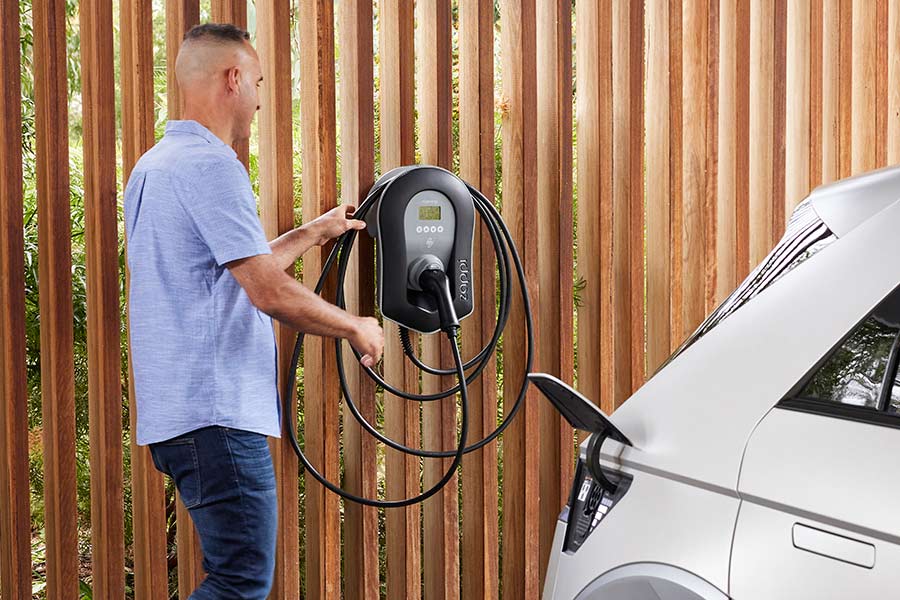
Understanding the baseline metrics of a Level 2 residential charging setup requires separating hardware purchase expenses from electrical trade labor and regulatory permitting fees. Across Ontario, the turnkey cost to supply and install a Level 2 charging station generally ranges between $1,200 and $2,700 CAD for straightforward installations. The charging unit itself typically costs between $500 and $1,200 CAD, while standard electrical installation labor, wiring materials, and safety permits range from $700 to $1,500 CAD. When structural modifications, long wiring runs, or electrical panel upgrades are required, total project outlays can exceed $4,000 CAD.
Average Turnkey Cost Breakdown (Ontario Residential Installation)
├── Level 2 EVSE Hardware Unit (Smart or Basic): $500 – $1,200 CAD
├── Licensed Electrical Contractor (LEC) Labor & Cabling: $700 – $1,500 CAD
├── Electrical Safety Authority (ESA) Permit & Inspection: $100 – $250 CAD
├── Optional Electric Vehicle Energy Management System (EVEMS): $1,000 – $1,800 CAD
└── Optional Service Panel Upgrade (100A to 200A): $1,500 – $3,500 CAD
When evaluating the home EV charger installation cost Ontario Canada homeowners encounter, the primary technical cost drivers center on home electrical infrastructure and physical spatial constraints:
-
Service Panel Capacity: The Ontario Electrical Safety Code (OESC) requires a thorough load calculation before adding a continuous 40-amp or 50-amp circuit. Older homes equipped with 100-amp main service panels often lack spare calculated capacity, requiring either a full 200-amp service panel upgrade ($1,500 to $3,500 CAD) or an energy management load-shedding device.
-
Distance to Electrical Panel: Copper wire costs scale with length. Placing a charger near an attached garage’s electrical panel keeps material expenses low, whereas routing heavy-gauge wire across finished basements or underground to detached garages adds $75 to $150 CAD per meter in cabling and labor.
-
Electrical Safety Authority (ESA) Permitting: Under provincial law, all residential electrical work must be filed with the Electrical Safety Authority. ESA permit and inspection fees range from $100 to $250 CAD depending on scope.
Maximizing the value of a home charging investment often aligns with local distribution company (LDC) rate structures. Utilities across Ontario—such as Toronto Hydro, Hydro One, and Alectra—offer Ultra-Low Overnight (ULO) and Time-of-Use (TOU) electricity tariffs. Programming a smart Level 2 charger to operate exclusively during off-peak hours (typically 11:00 PM to 7:00 AM) minimizes per-kilowatt-hour rates, significantly accelerating long-term capital payback.
Key Installation Approaches and Charger Categories
Selecting a home EV charging configuration involves choosing between hardwired or plug-in connections, smart software capabilities, and load management devices.
| Category / Type | Description | Common Use Case | Time / Cost / Effort Level (CAD) |
| Basic Hardwired Level 2 | Charger connected directly to a dedicated 240V circuit junction box; no receptacle or GFCI breaker required. | Attached garages with direct, unobstructed access to the main electrical panel. | $1,200 – $2,200 total / 3–5 hours labor / Standard trade effort. |
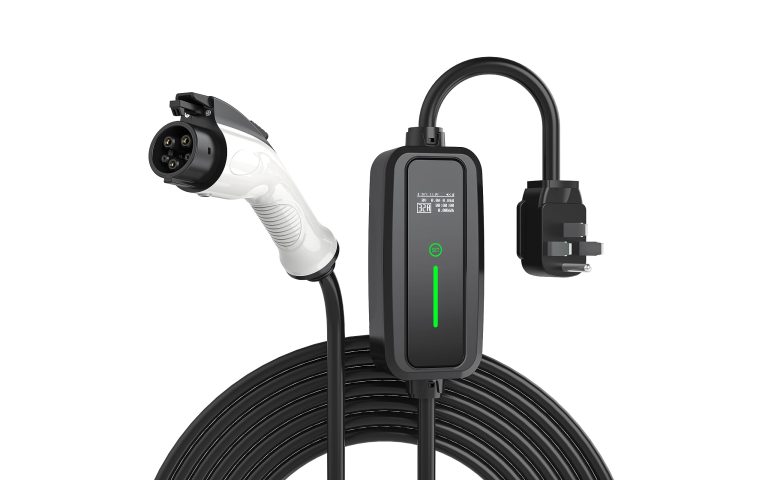
| Plug-In NEMA 14-50 Installation | Receptacle-based installation using a 240V industrial outlet; allows easy unit removal. | Homeowners wanting portable charging capability or simple unit replacement. | $1,400 – $2,500 total / 3–5 hours labor / Requires dedicated 50A GFCI breaker. |
| Load-Managed EVSE (EVEMS) | Charger paired with a current-monitoring smart device that automatically pauses charging if household power peaks. | Older homes with 100A main panels seeking to avoid a full $3,000+ panel replacement. | $2,200 – $3,800 total / 4–6 hours labor / Advanced control setup. |
| Service Panel Upgrade + EVSE | Replaces an older 100A main panel with a 200A panel, meter socket, and new service conductors. | Older housing stock with high electricity demands or planned heat pump additions. | $3,500 – $6,000+ total / 1–2 days / High trade and utility effort. |
| Detached Garage / Subpanel Setup | Installs a secondary breaker box in a detached garage connected via underground conduit. | Detached garages or parking pads situated 10 to 30 meters from the main house. | $3,200 – $5,500+ total / 1–2 days / Includes subterranean trenching. |
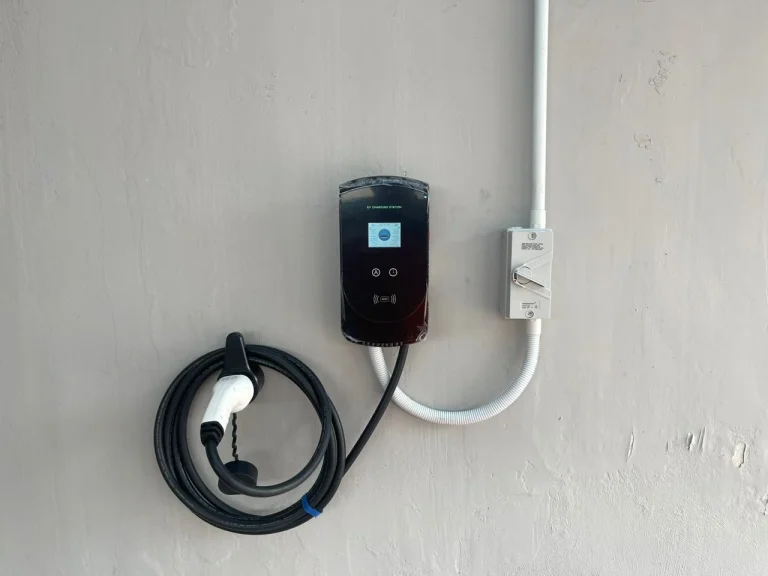
Determining the appropriate installation route requires evaluating existing panel capacity, parking proximity, and long-term electrification goals. Hardwiring a charger remains the most economical and weather-resistant approach for indoor garages, eliminating the need for industrial receptacles and expensive 50-amp GFCI circuit breakers. If electrical panel capacity is constrained at 100 amps, deploying an Electric Vehicle Energy Management System (EVEMS) provides a cost-effective alternative to a full service panel upgrade, allowing high-speed Level 2 charging without risking main breaker overloads.
Practical Scenario Applications
Scenario 1: Attached Garage Installation in Suburban Mississauga (200A Panel)
A single-family detached home constructed in the 2000s contains a 200-amp main breaker panel located inside an attached garage, 3 meters from the intended vehicle parking spot.
-
Implementation Steps & Components:
-
Performing an OESC load calculation confirming ample spare panel capacity.
-
Installing a 50-amp double-pole non-GFCI breaker in the main panel.
-
Running 3 meters of 6/2 AWG copper NMD90 wire inside flexible conduit to a wall-mounted 40-amp smart EVSE.
-
Hardwiring the conductors directly to the charger terminal blocks.
-
Submitting an ESA permit application and receiving an inspection Certificate of Acceptance.
-
-
Relevant Context: Represents an ideal baseline installation. Short wire runs and adequate panel capacity keep total hardware, material, and labor costs between $1,300 and $1,900 CAD.
Scenario 2: Toronto Character Home with 100A Service Utilizing EVEMS
A 1920s two-story home in Toronto operates on a 100-amp main electrical panel that supports an electric water heater, central air conditioning, and household appliances.
-
Implementation Steps & Components:
-
Master electrician conducts a load calculation, determining that adding a continuous 40-amp circuit exceeds 100A main service limits.
-
Installing an Electric Vehicle Energy Management System (EVEMS) control switch directly downstream of the main panel.
-
Running 12 meters of 6/2 AWG copper wire through finished basement ceiling spaces to an attached carport.
-
Hardwiring a 40-amp outdoor-rated (NEMA 4X) charger.
-
Programming the EVEMS current transformers to monitor total house draw, automatically pausing EV charging whenever total household demand exceeds 80 amps.
-
Securing an ESA permit and passing inspection.
-
-
Relevant Context: Demonstrates how digital load management allows high-speed Level 2 charging on older 100-amp panels without requiring an expensive utility service upgrade. Turnkey cost ranges from $2,600 to $3,600 CAD.
Scenario 3: Detached Garage in Ottawa Requiring Trenching and Subpanel
A residence in Ottawa features an unheated detached garage situated 18 meters behind the house, requiring power extension for winter charging.
-
Implementation Steps & Components:
-
Excavating a 1.2-meter-deep trench (below regional frost depth) from the house foundation to the detached garage.
-
Pulling 4/3 AWG NMWU copper conductors inside Schedule 80 PVC underground conduit.
-
Installing a 60-amp secondary subpanel inside the detached garage equipped with local ground rods.
-
Hardwiring a cold-hardened (-40°C rated) 32-amp Level 2 charger to a 40-amp breaker inside the garage subpanel.
-
Securing ESA inspection certificates for both underground trenching and final electrical connections.
-
-
Relevant Context: Highlights how civil trenching and secondary distribution panels increase project scope. Deep frost-line excavation and heavy-gauge wire runs drive turnkey costs to $3,800 – $5,800 CAD.
The attached garage in Scenario 1 minimizes material overhead through physical proximity. Scenario 2 shows how smart load-shedding hardware avoids major panel replacement costs in older urban housing stock. Scenario 3 demonstrates how civil excavation and secondary subpanels accommodate detached structures while satisfying cold-climate burial codes.
Planning, Capital Budgeting, and Resource Allocation
Formulating a realistic budget for a home EV charger installation cost Ontario Canada project requires itemizing hardware, wire gauges, safety permits, and trade labor fees. The table below outlines a standard budget model for a typical residential installation without major service panel replacements.
| Category | Estimated Amount (CAD) | Line-Item Explanation & Expense Drivers | Optimization Tips |
| EVSE Hardware Unit | $500 – $1,200 | Level 2 wall box (32A–48A output); basic vs. smart Wi-Fi controls. | Select ENERGY STAR units compatible with local off-peak tariff scheduling. |
| Licensed Electrician Labor | $400 – $900 | 3 to 6 hours trade labor for mounting, conduit bending, & wiring. | Mount charger near the electrical panel to minimize labor hours. |
| Wiring, Conduit & Hardware | $150 – $500 | 6 AWG or 8 AWG copper wire, junction boxes, breakers, & fittings. | Hardwiring uses 2-conductor wire, eliminating neutral wire expenses. |
| ESA Permit & Inspection | $100 – $250 | Official Electrical Safety Authority filing & inspection sign-off. | Ensure contractor includes permit fees in written estimates. |
| Optional EVEMS Load Manager | $1,000 – $1,800 | Smart load monitor required if 100A main service load is full. | Use EVEMS to avoid a $3,000+ main panel upgrade. |
| Optional Service Panel Upgrade | $1,500 – $3,500 | Replacing 100A panel with 200A panel and new meter base. | Required only if household electrical load exceeds OESC limits. |
| Gross Estimated Investment | $1,150 – $2,850 | Turnkey cost range for standard homes (excluding panel upgrades). | Check local utility & municipal programs for active rebates. |
Note: Figures listed represent general regional baseline estimates in Canadian dollars. Final project expenses vary based on local electrician labor markups, copper market pricing, and specific home architectural layouts.
Technical Strategies, Tools, and Support Options
Successfully executing a residential EV charger project involves leveraging technical tools, regulatory frameworks, and financial programs.
-
Licensed Electrical Contractors (LECs): Under Ontario law, electrical work in residential properties must be performed by a Licensed Electrical Contractor registered with the ESA.
-
Advantages: Ensures compliance with the Ontario Electrical Safety Code; contractor handles ESA permit filings and liability insurance.
-
Disadvantages: Trade labor rates ($90 to $130 per hour) represent a key project expense.
-
-
Electric Vehicle Energy Management Systems (EVEMS): Current-monitoring control switches (such as DCC, SimpleSwitch, or BlackBox) installed near the electrical panel.
-
Advantages: Dynamically manages charging power, allowing Level 2 chargers on 100-amp panels without full utility service upgrades.
-
Disadvantages: Adds $1,000 to $1,800 CAD in hardware and installation costs.
-
-
Ultra-Low Overnight (ULO) Tariff Integration: Electricity pricing plans offered by Ontario distribution companies providing low overnight rates (e.g., ~2.8¢/kWh between 11:00 PM and 7:00 AM).
-
Advantages: Cuts vehicle fueling costs significantly compared to daytime grid charging.
-
Disadvantages: Requires a smart connected charger or vehicle programming to manage schedules.
-
-
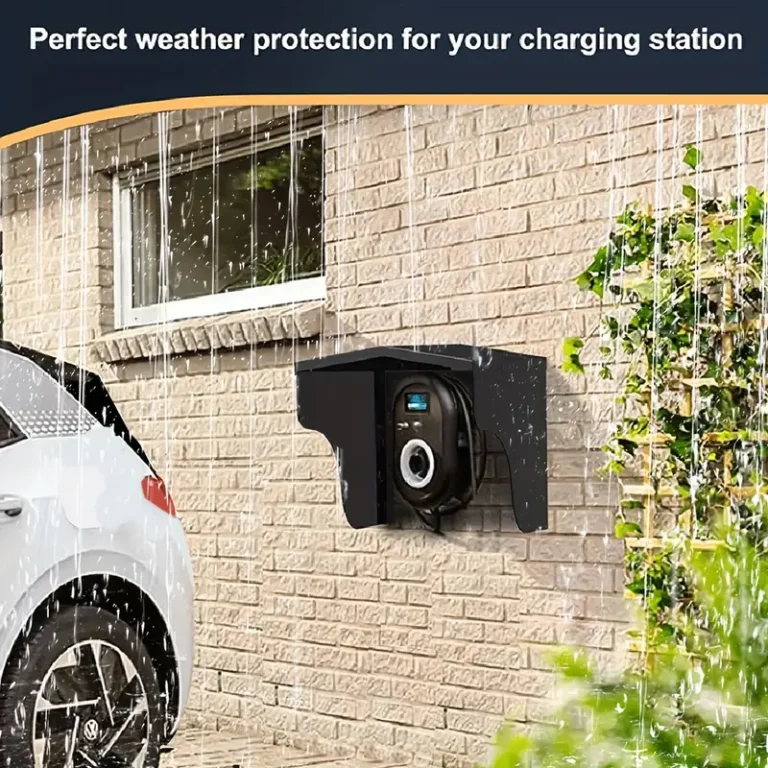
Weatherproof Enclosure Ratings (NEMA 4 / IP66): Heavy-duty protective housings for chargers installed outdoors or on open parking aprons.
-
Advantages: Protects sensitive electronics against freezing rain, blowing snow, and sub-zero temperatures.
-
Disadvantages: Cold-weather rubber cables and ruggedized enclosures add $100 to $300 CAD to hardware purchase prices.
-
Safety Regulations, Risks, and Common Challenges
Installing high-current continuous 240V circuits presents electrical and structural risks if proper installation standards are bypassed.
-
Unpermitted Electrical Work: Hiring uncertified handymen or doing unpermitted DIY work violates provincial law and voids home insurance policies if an electrical fire occurs. Mitigation: Verify that the contractor holds a valid ESA EC/Master Electrician license number and provides an official Certificate of Acceptance.
-
Main Panel Thermal Overload: Adding a continuous 40-amp circuit to an already loaded 100-amp panel can overheat main busbars during peak domestic usage. Mitigation: Mandate an official OESC load calculation before installing new circuit breakers.
-
Melting Receptacles from Continuous Loads: Plugs connected to cheap residential-grade NEMA 14-50 outlets can overheat under multi-hour 40-amp draws. Mitigation: Hardwire the charging station directly or install industrial-grade receptacles (e.g., Hubbell or Bryant).
-
Incorrect Wire Sizing for Continuous Draw: Utilizing 8 AWG wire on a 50-amp circuit drawing 40 amps continuously violates the 80% continuous load rule, causing wire insulation degradation. Mitigation: Ensure 6 AWG copper conductors are specified for 50-amp circuit installations.
-
Non-Safety-Certified Hardware: Installing unbranded imported charging stations that lack Nationally Recognized Testing Laboratory (NRTL) safety marks (such as cULus, cETL, or CSA) creates fire and shock hazards. Mitigation: Purchase EVSE units displaying valid Canadian safety certification marks.
Maintenance, Best Practices, and Long-Term Care
Although Level 2 charging stations are solid-state electronic devices requiring minimal daily upkeep, routine maintenance protects equipment lifespan and maintains electrical safety.
Seasonal Maintenance Checklist
-
Monthly Visual Checks: Inspect the charging cable along its entire length for insulation cracks, flattening, or severe bends. Check the J1772 or NACS connector nozzle for dirt, bent pins, or signs of heat discoloration.
-
Winter Cable Care: In outdoor installations, avoid leaving the charging cable lying on ground surfaces where it can freeze to snowpack or be damaged by snowplows. Coil the cable on a wall holster after each use.
-
Biannual Thermal Audits: During an active charging session, feel the junction box or breaker panel door. Components should feel slightly warm, but never hot to the touch. Excessive heat indicates loose wire connections.
-
Annual Terminal Tightening: Have a licensed electrician inspect terminal screw torque settings inside the hardwired junction box or subpanel during routine electrical checks, as seasonal temperature swings can loosen wire connections over time.
-
Firmware Maintenance: Ensure Wi-Fi-connected smart chargers receive automated over-the-air firmware updates to preserve smart tariff scheduling and cybersecurity protocols.
Documentation, Inspections, and Compliance Verification
Organizing installation documentation protects home resale value, simplifies insurance reviews, and verifies provincial safety compliance.
Essential Installation Records
-
ESA Certificate of Acceptance: The official compliance document issued by the Electrical Safety Authority after passing inspection.
-
OESC Load Calculation Sheet: Written load calculation performed by the electrician proving main service capacity.
-
Licensed Electrical Contractor Invoice: Detailed itemized invoice listing the contractor’s ESA license number, wire gauges used, breaker sizes, and labor details.
-
Manufacturer Hardware Manual & Certification: Equipment documentation displaying serial numbers and cUL/CSA safety certification marks.
Real-World Compliance Examples
-
Example A (Insurance Verification): Following a residential EVSE installation, a homeowner’s insurance provider requests proof of professional installation. The homeowner submits the contractor’s invoice and the ESA Certificate of Acceptance, confirming code compliance and maintaining full property coverage.
-
Example B (Home Resale Conveyancing): During a residential property sale in Ottawa, a home inspector flags the garage EV charger circuit. The seller provides the original ESA permit sign-off and load calculation sheet, verifying a code-compliant installation and avoiding transaction delays.
Summary
Calculating the home EV charger installation cost Ontario Canada drivers incur demonstrates that standard attached-garage Level 2 setups average between $1,200 and $2,700 CAD turnkey. When panel capacity is limited or parking areas are detached, deploying EVEMS load management devices ($1,000–$1,800 CAD) or executing subpanel/trenching additions provides code-compliant workarounds without requiring full main service utility replacements. By hiring Licensed Electrical Contractors, securing official Electrical Safety Authority permits, choosing safety-certified hardware, and programming chargers for off-peak electricity rates, Ontario homeowners can establish a safe, cost-effective home charging system built to perform for years.
Frequently Asked Questions
How much does it cost to install a Level 2 EV charger at home in Ontario?
In Ontario, a standard Level 2 home EV charger installation typically costs between $1,200 and $2,700 CAD total. This includes $500 to $1,200 CAD for the charger hardware and $700 to $1,500 CAD for electrician labor, wiring materials, and the ESA safety permit. If an electrical panel upgrade or extensive wiring is required, total costs can exceed $4,000 CAD.
Do I need a permit to install an EV charger at home in Ontario?
Yes. Under the Ontario Electrical Safety Code, all residential EV charger installations require an electrical permit filed with the Electrical Safety Authority (ESA). Work must be performed or completed under the oversight of a Licensed Electrical Contractor (LEC), who will secure an ESA Certificate of Acceptance upon passing inspection.
Can I install a Level 2 EV charger if I only have a 100-amp electrical panel?
Yes. While a continuous 40-amp or 50-amp EV circuit can overload a 100-amp main panel, you do not always need a $3,000+ service panel upgrade. You can install an Electric Vehicle Energy Management System (EVEMS), which monitors household power draw and automatically pauses charging if household electricity demand peaks, satisfying safety code rules.