Tethered vs Untethered EV Charger Installation Cost UK Guide
Tethered vs Untethered EV Charger Installation Cost UK: A Comprehensive Guide
Electric vehicle (EV) adoption across the United Kingdom relies heavily on home charging infrastructure. When installing a domestic Level 2 (7kW single-phase) electric vehicle supply equipment (EVSE) unit, homeowners must choose between two primary connection formats: a tethered charger with a permanently attached cable, or an untethered (socket-only) charger that requires a separate, detachable charging cable. Both options deliver identical electrical output to the vehicle, but they differ in initial purchase price, accessory expenses, long-term cable maintenance, and physical installation aesthetics.
Evaluating the Tethered vs untethered EV charger installation cost UK market requires analyzing hardware pricing, secondary cable purchases, electrical installation labor, and long-term hardware adaptability. While untethered units often carry a lower upfront price tag for the wall box itself, factoring in the cost of a high-quality Type 2 lead can narrow or eliminate the initial cost gap. This guide provides a detailed breakdown of equipment pricing, practical application scenarios, installation considerations, regulatory rules, and asset management strategies for UK property owners.
Overview of Tethered vs Untethered EV Charger Installation Cost UK
Understanding a Tethered vs untethered EV charger installation cost UK decision requires separating the wall-mounted charging unit from the charging cable. Across England, Scotland, and Wales, a standard turnkey 7kW single-phase installation ranges between £800 and £1,500 (inclusive of 20% VAT) for standard, straightforward setups.
Tethered vs. Untethered Hardware & Total Cost Dynamics
├── Tethered 7kW Installation (Cable Included)
│   ├── Wall Unit + Attached Cable (5m–7.5m): £500 – £850
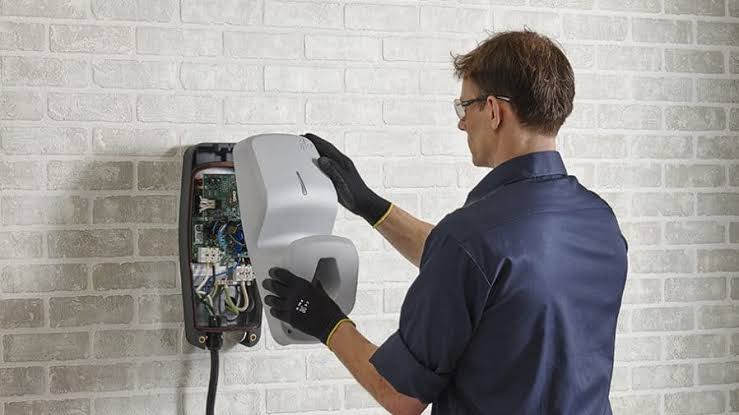
│   ├── Electrician Installation & Standard Cabling: £300 – £650
│   └── Total Fully Installed Cost: £800 – £1,500
└── Untethered 7kW Installation (Socket Only)
    ├── Wall Unit (Socket Only): £450 – £750
    ├── Separate Type 2 Cable Purchase (If required): £120 – £250
    ├── Electrician Installation & Standard Cabling: £300 – £650
    └── Total Effective Installed Cost: £750 – £1,450 (or up to £1,650 with premium cable)
The underlying technical and cost mechanics differ between the two formats:
-
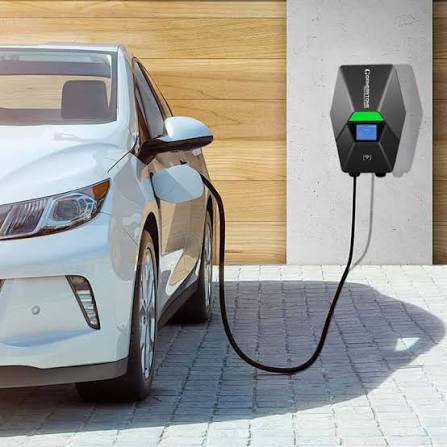
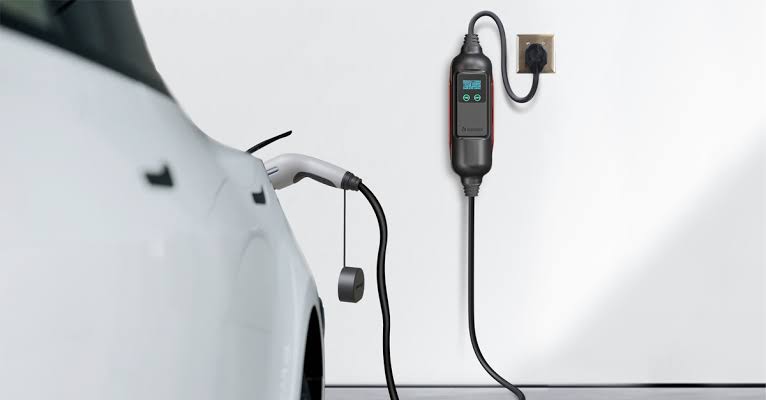
Tethered Chargers: The charging cable is permanently wired into the internal terminal blocks of the wall box. The purchase price includes the cable (typically 5 to 7.5 meters long). While hardware pricing is slightly higher upfront, it eliminates the need to buy an additional lead for home use. Installation labor is identical to untethered units because the electrician connects the same AC power supply to the wall box.
-
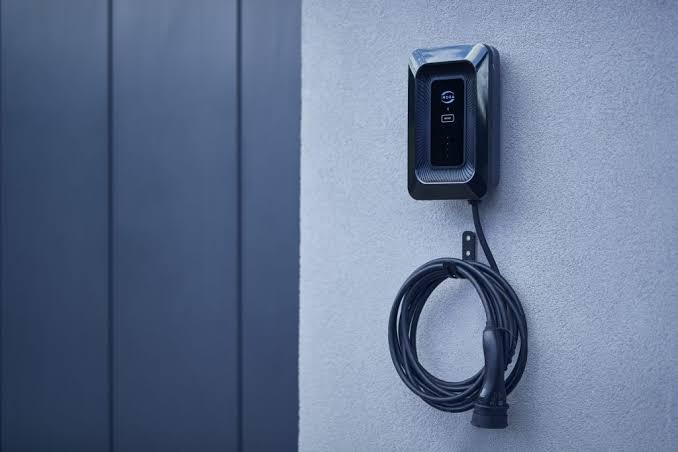
Untethered Chargers: The wall unit features a universal Type 2 socket with no attached lead. The bare unit usually costs £20 to £100 less than its tethered counterpart. However, if the vehicle owner does not already own a loose Type 2 cable (or prefers not to unpack their boot cable for daily home charging), purchasing a dedicated home lead adds £120 to £250, equalizing or surpassing the cost of a tethered installation.
Primary Equipment Categories and Technical Variations
Selecting a home EV charger format involves evaluating cable lengths, connector types, visual preferences, and multi-vehicle households.
| Category / Type | Technical Description | Common Use Case | Estimated Cost Range (Installed) |
| Standard Tethered (Type 2) | Fixed 5m–7.5m cable wired directly into the unit; includes a wall dock or holster. | Single EV households seeking maximum convenience (“plug-and-charge”) on a driveway. | £800 – £1,500 (Cable included) |
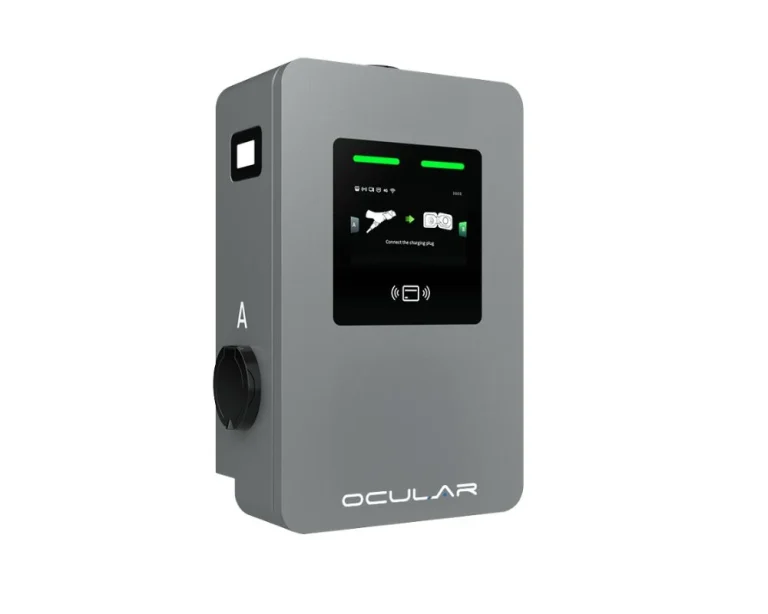
| Standard Untethered (Socket-Only) | Universal Type 2 outlet on the unit; requires a detachable cable. | Drivers prioritizing a tidy wall appearance or who charge multiple vehicle types. | £750 – £1,400 (Excluding separate cable) |
| Extended Tethered (8m–10m) | Factory-fitted long cable to reach distant parking spots or multiple bays. | Properties where the car is parked far from the wall unit or behind another vehicle. | £900 – £1,650 (Higher factory hardware cost) |
| Solar-Integrated Untethered | Socket-only charger with internal current transformers (CTs) to divert solar surplus. | Homes with solar PV arrays where drivers use custom cable lengths for daytime charging. | £1,000 – £1,650 (Excluding separate cable) |
| Smart Tethered Compact | Small-footprint wall box with integrated cable wrapping pins. | Tight driveway walls or narrow side passages needing a fixed cable without bulk. | £850 – £1,450 (Cable included) |
Choosing Between Options
Deciding between a tethered or untethered installation depends on convenience, aesthetics, and long-term vehicle adaptability. A tethered unit provides daily convenience for single-car driveways because the driver simply unhooks the plug and connects it to the car without opening the boot. Conversely, an untethered unit offers superior visual tidiness when unplugs, allows the driver to swap for longer or shorter cables as needed, and future-proofs against potential future changes in vehicle inlet standards.
Practical Installation Scenarios and Field Applications
Scenario 1: Daily Commuter Single-Car Driveway (Tethered 7kW)
A homeowner in the West Midlands with a modern electric hatchback parks in the same driveway space every night and wants a quick, hassle-free charging routine.
-
Implementation Steps:
-
Installing a 32A Type B circuit breaker and Surge Protection Device (SPD) in the main consumer unit.
-
Running 5 meters of Steel Wire Armoured (SWA) cable to an exterior brick wall.
-
Mounting a tethered 7kW smart charger with an integrated 5-meter Type 2 cable and wall holster.
-
Testing earth loop impedance and notifying the Distribution Network Operator (DNO).
-
-
Cost Profile: Purchasing a tethered unit includes the cable in the box. Simple installation keeps total hardware, cable, and electrician costs between £850 and £1,150.
Scenario 2: Two-EV Household with Front Parking Flexibility (Untethered 7kW)
A household in Surrey owns two different electric vehicles (one with a front charge port, one with a rear-side port) parked in tandem.
-
Implementation Steps:
-
Mounting an untethered 7kW smart charger on the side elevation of the house.
-
Purchasing a separate 10-meter, 32A Type 2 charging cable to reach the car parked furthest away.
-
Wiring the unit to the consumer unit via a dedicated 32A circuit.
-
Configuring smart tariff schedules via a mobile application.
-
-
Cost Profile: The untethered wall unit costs £550 installed, but buying a 10-meter heavy-duty Type 2 cable adds £180. Total effective setup cost equals £1,050 to £1,350.
Scenario 3: Leasehold Flat with Shared Parking Bay (Untethered with OZEV Grant)
A tenant or leaseholder in London installs a charger at their assigned parking space using the Office for Zero Emission Vehicles (OZEV) EV Chargepoint Grant.
-
Implementation Steps:
-
Securing landlord consent and selecting an untethered unit to keep the shared wall space tidy when not charging.
-
Running SWA cable from the flat’s utility meter through communal risers.
-
Installing an untethered 7kW charger with mobile app authentication to prevent unauthorized plug-in by neighbors.
-
Installer applies the OZEV grant (£500 or 75% cap) directly to the invoice.
-
-
Cost Profile: Complex communal wiring costs £1,200 gross. Applying the £500 OZEV grant brings the customer’s out-of-pocket cost down to £700 (plus the loose cable they already own).
Comparative Scenario Analysis
Scenario 1 highlights how tethered units provide the most economical, convenient solution for single-vehicle households with short cable needs. Scenario 2 shows that while untethered wall boxes offer physical flexibility for multi-vehicle or long-reach layouts, buying custom-length cables increases total outlays. Scenario 3 illustrates how untethered units maintain shared aesthetic standards in communal parking areas while grant schemes offset complex wiring labor.
Planning, Capital Budgeting, and Resource Allocation
Budgeting a Tethered vs untethered EV charger installation cost UK project requires comparing hardware pricing alongside auxiliary lead requirements and trade labor rates. The table below compares typical line-item costs for both formats.
| Cost Component | Tethered System (Cable Included) | Untethered System (Socket Only) | Line-Item Explanation & Variance Factors |
| Wall Box Hardware Unit | £500 – £850 | £450 – £750 | Bare untethered units average £20–£100 cheaper than tethered models. |
| Loose Type 2 Cable (5m–10m) | £0 (Included with unit) | £120 – £250 (If bought separately) | Untethered setups require buying a home cable or using the car’s boot cable. |
| Electrician Trade Labor | £250 – £450 | £250 – £450 | Electrical wiring labor is identical for both charger formats. |
| SWA Cable & Fixing Hardware | £100 – £250 | £100 – £250 | Includes up to 10m SWA cable, clips, and consumer unit breakers. |
| Optional Consumer Unit Upgrade | £400 – £800 | £400 – £800 | Required if the existing fuse box lacks RCD/SPD capacity. |
| OZEV Grant Discount (If Eligible) | -£500 | -£500 | Available for flat owners, renters, and landlords. |
| Effective Net Outlay Range | £850 – £1,550 | £870 – £1,650 (With new cable) | Hardware savings on untethered units are often offset by cable costs. |
Note: Monetary figures represent general UK market estimates in GBP (£) inclusive of 20% VAT. Final costs depend on regional electrician labor markups, cable run distances, and whether an independent cable is purchased.
Strategies, Regulations, and Support Options
Deploying a domestic EV charger in the UK requires adhering to specific smart charging legislation, electrical safety standards, and grant rules.
-
Electric Vehicles (Smart Charge Points) Regulations: Mandatory UK law requiring all domestic chargers sold to feature smart functionality, data logging, off-peak scheduling, and randomized delay functions. Both tethered and untethered models must comply with these rules.
-
Open PEN Fault Protection (BS 7671 Section 722): Single-phase 230V chargers installed outdoors require protection against a broken neutral supply line. Modern wall boxes feature built-in electronic Open-PEN detection, eliminating the need to drive earth rods into driveways.
-
OZEV EV Chargepoint Grant: Administered by the Office for Zero Emission Vehicles, providing 75% off installation costs up to £500 per socket for eligible renters, leaseholders, landlords, and cross-pavement installations.
-
Off-Peak EV Tariffs: Utilizing a smart tethered or untethered charger unlocks dedicated overnight home energy tariffs (typically 7p to 10p per kWh compared to standard ~25p–28p rates). This reduces driving costs to 2p to 3p per mile, saving £300 to £500 annually.
Safety Hazards, Technical Risks, and Common Pitfalls
Operating continuous 32A electrical equipment requires strict adherence to safety and cable management practices.
-
Trip Hazards from Dangled Tethered Cables: Leaving a tethered cable lying across a driveway or footway creates severe trip hazards and risks damage if driven over. Mitigation: Always wrap tethered cables around wall holsters or install untethered units where cables are stored away after use.
-
Cable Theft on Untethered Units: Leaving a high-value Type 2 cable plugged into an untethered charger overnight without an active electronic lock can result in theft. Mitigation: Enable the charger app’s “auto-lock” feature to lock the cable into the socket continuously.
-
Purchasing Undersized or Uncertified Loose Cables: Buying cheap, uncertified Type 2 cables online to use with an untethered unit can lead to overheating. Single-phase 7kW charging requires a cable rated for at least 32 amps continuous current. Mitigation: Purchase CE/UKCA-marked 32A-rated cables from reputable manufacturers.
-
Mechanical Wear on Untethered Sockets: Repeatedly inserting and removing plugs from an untethered unit subjects the internal socket pins to physical wear over time. Mitigation: Ensure socket covers remain closed when not in use to prevent rainwater and dirt ingress.
-
Damaging Fixed Cables on Tethered Units: If a tethered cable gets damaged (e.g., driven over or crushed), replacing it requires a qualified electrician to open the unit and rewire a new assembly. On untethered units, a damaged cable is simply unplugged and replaced by the owner.
Maintenance, Best Practices, and Long-Term Management
Routine maintenance ensures safety, protects hardware, and preserves operational efficiency.
Preventative Maintenance Checklist
-
Monthly Physical Inspection: Inspect tethered cables or loose Type 2 leads for insulation cracking, flattening, or pin corrosion. Ensure untethered socket spring-flaps snap shut to block moisture.
-
Connector Pin Cleaning: Keep Type 2 plug contacts clean and dry. Avoid allowing cable ends to rest in mud or rain puddles on the driveway.
-
Biannual RCD Mechanical Test: Press the “Test” button on the dedicated consumer unit breaker to verify mechanical trip mechanics.
-
Firmware and App Management: Keep the smart charger’s mobile application updated to maintain scheduled off-peak charging integrations.
-
Five-Year Professional Electrical Checks: Have an electrician inspect wire termination tightness and earth loop impedance during routine domestic electrical safety audits.
Documentation and Compliance Verification
Organizing installation documentation protects home resale value, simplifies insurance claims, and verifies regulatory safety compliance.
Essential Project Records
-
Electrical Installation Certificate (EIC): Mandatory formal sign-off issued by a qualified electrician confirming compliance with BS 7671 wiring rules.
-
Building Regulations Compliance Certificate: Confirmation issued via a competent person scheme (such as NICEIC or NAPIT) verifying Part P compliance.
-
DNO Notification Confirmation: Proof that the regional network distributor was formally notified of the 32A load.
-
OZEV Grant Approval Receipt: Official confirmation of the £500 grant claim if installed under eligible schemes.
Illustrative Performance Examples
-
Example A (Unlocking EV Off-Peak Tariffs): A homeowner installs a 7kW smart charger. By presenting the installer’s EIC certificate to their energy supplier, they register for a 7p/kWh overnight tariff, reducing annual fueling costs from £900 to £230.
-
Example B (Cable Replacement Resolution): A dog chews through the cable of an untethered installation. The homeowner simply buys a new 32A Type 2 lead for £140 online, resolving the issue in 24 hours without calling an electrician or paying trade call-out fees.
Closing Summary
Evaluating the Tethered vs untethered EV charger installation cost UK equation demonstrates that while untethered wall boxes carry a slightly lower initial unit price (£450–£750 vs. £500–£850), purchasing a separate Type 2 charging cable (£120–£250) makes total installed costs virtually identical (£850–£1,550). Tethered units provide superior daily convenience for single-car driveways, whereas untethered units offer a tidier wall appearance, cable length flexibility, and cheaper replacement if a lead is damaged. By hiring certified electricians, selecting smart-tariff-compatible hardware, and maintaining proper electrical documentation, UK property owners can establish a reliable home charging setup tailored to their daily driving needs.
Frequently Asked Questions
Is a tethered EV charger more expensive to install than an untethered charger in the UK?
The installation labor cost is identical for both types. While an untethered wall unit costs £20 to £100 less upfront than a tethered unit, buying a separate Type 2 cable (£120–£250) often makes the total out-of-pocket cost of an untethered setup slightly higher.
Can I use an untethered EV charger without buying a separate cable?
Only if your electric vehicle came supplied with a loose Type 2 to Type 2 cable from the manufacturer, or if you plan to move the cable from your car’s boot to the wall box every time you charge at home. Most EV owners prefer keeping a dedicated cable plugged into the home unit or buying a tethered charger for daily convenience.
What happens if the cable on a tethered EV charger breaks?
Because the cable is permanently wired into the unit, replacing a damaged tethered cable requires an electrician to open the wall box and wire in a replacement assembly. On an untethered unit, a damaged cable is simply unplugged from the socket and replaced with a new one without calling an electrician.